

Maple Syrup vs Pancake Syrup: Key Differences
If you are comparing bottles in the breakfast aisle, the difference between maple syrup vs pancake syrup usually comes down to one question: is it actually made from maple sap, or is it a sweetened table syrup designed to taste like maple? That distinction affects ingredients, processing, flavor, color, and how the syrup performs on pancakes and waffles.
It also helps explain why one bottle tastes layered and seasonal while the other is usually sweeter, simpler, and more uniform.
For maple-based products, recipe inspiration, and gourmet ingredient ideas, visit Maplelixir.
Key Takeaways
- Pure maple syrup is made from maple sap and should list maple syrup as the only ingredient.
- Pancake syrup is usually a manufactured topping made with blended sweeteners, color, and maple-style flavoring.
- The ingredient list is the most reliable way to tell pure maple syrup from pancake syrup.
- Maple syrup usually has a more layered and varied flavor.
- Pancake syrup generally has a sweeter, more consistent taste and pour.
- Maple syrup costs more because it depends on seasonal sap collection, boiling, and natural production conditions.
- Pancake syrup can be a practical breakfast topping when price and consistency matter most.
- Both syrups work on pancakes and waffles, but maple syrup is often better suited to recipes where its flavor is important.
- The two syrups are not always interchangeable in baking, sauces, glazes, and other cooked recipes.
- The best choice depends on your budget, taste preference, ingredient priorities, and intended use.
Maple Syrup vs Pancake Syrup Fact Sheet
Use this fact sheet to compare pure maple syrup and pancake syrup by ingredients, production, flavor, cost, storage, and kitchen use.
| Feature | Pure Maple Syrup | Pancake Syrup |
|---|---|---|
| Main source | Sap collected from maple trees | Blended sweeteners and maple-style flavoring |
| Primary ingredient | Maple syrup | May include corn syrup, high fructose corn syrup, cane sugar, or other sweeteners |
| Ingredient list | Usually one ingredient: maple syrup | Often contains several ingredients, including sweeteners, flavor, color, and preservatives |
| How it is made | Maple sap is collected and boiled to remove water and concentrate the sugars | Sweetener ingredients are blended and adjusted with color and flavor to create a consistent topping |
| Maple sap content | Made from maple tree sap | Usually contains no maple sap, unless the label specifically says otherwise |
| Flavor | Natural maple flavor that can range from delicate to robust | Usually sweeter and more uniform, with a maple-style flavor |
| Flavor variation | Can change based on tree species, region, weather, season, and grade | Usually designed to taste consistent from bottle to bottle |
| Color | Can range from golden to very dark depending on the grade | Often has a standardized amber or dark color |
| Texture | Smooth and pourable, with natural variation between products | Usually formulated for a consistent pour and texture |
| Sweetness | Sweet, with a distinct maple character | Often tastes sweeter because the product is designed mainly as a dessert topping |
| Common uses | Pancakes, waffles, baking, sauces, glazes, marinades, desserts, and drinks | Pancakes, waffles, French toast, oatmeal, and other breakfast toppings |
| Best use | Recipes where the maple flavor is part of the finished dish | Recipes or meals where a simple, affordable topping is the main goal |
| Production season | Depends on the seasonal maple sap harvest | Can usually be produced throughout the year from stored and blended ingredients |
| Price | Usually more expensive because of seasonal collection, boiling, labor, and equipment | Usually less expensive because it is made from widely available ingredients |
| Label wording | May say pure maple syrup or real maple syrup | May say pancake syrup, table syrup, maple-flavored syrup, or original syrup |
| How to identify it | The ingredient list should list maple syrup as the only ingredient | The ingredient list usually includes several sweeteners or added flavoring ingredients |
| Maple syrup grades | Often classified by color and flavor, such as Golden, Amber, Dark, or Very Dark | Does not follow the same maple syrup grading system |
| Color and flavor relationship | Darker maple syrup usually has a stronger, more robust flavor | Color is usually added or standardized and may not indicate natural maple intensity |
| Use in baking | Adds maple flavor, sweetness, and liquid to baked goods | Adds sweetness and moisture, but may create a different flavor and texture |
| Use in sauces and glazes | Works well when a natural maple flavor is wanted | Works well when a consistent, sweet glaze is preferred |
| Substitution | Can replace pancake syrup in many topping applications | Can replace maple syrup in some simple recipes, but the flavor and ingredient balance may change |
| Recipe performance | May affect moisture, sweetness, and flavor depending on the grade | May affect sweetness, color, moisture, and texture depending on its formula |
| Storage before opening | Store according to the product label in a cool, dark place | Store according to the product label |
| Storage after opening | Refrigeration is generally recommended for pure maple syrup | Follow the product label, as storage instructions vary by formula |
| Best choice for authenticity | Pure maple syrup | Not the best choice if you want a product made from maple sap |
| Best choice for value | Depends on the serving size and intended use | Often the more budget-friendly option for everyday breakfast topping |
| Best choice for natural maple flavor | Pure maple syrup | Usually offers a simpler imitation maple taste |
| Best choice for consistent taste | Flavor may vary naturally by grade and producer | Usually provides a consistent taste and texture |
| What to check before buying | Confirm that maple syrup is the only listed ingredient | Review the full ingredient list and check for added sweeteners, color, and flavor |
What Sets These Syrups Apart
At the most basic level, pure maple syrup comes from maple trees, while pancake syrup is typically an imitation syrup made to resemble maple flavor.
That difference shows up in the ingredient list, in how the product is processed, and in the final taste on the plate. For shoppers, the decision is often practical: do you want real maple syrup for depth and authenticity, or a budget-friendly topping that works well over pancakes and waffles with less emphasis on nuanced flavor?
Ingredients and Label Clues
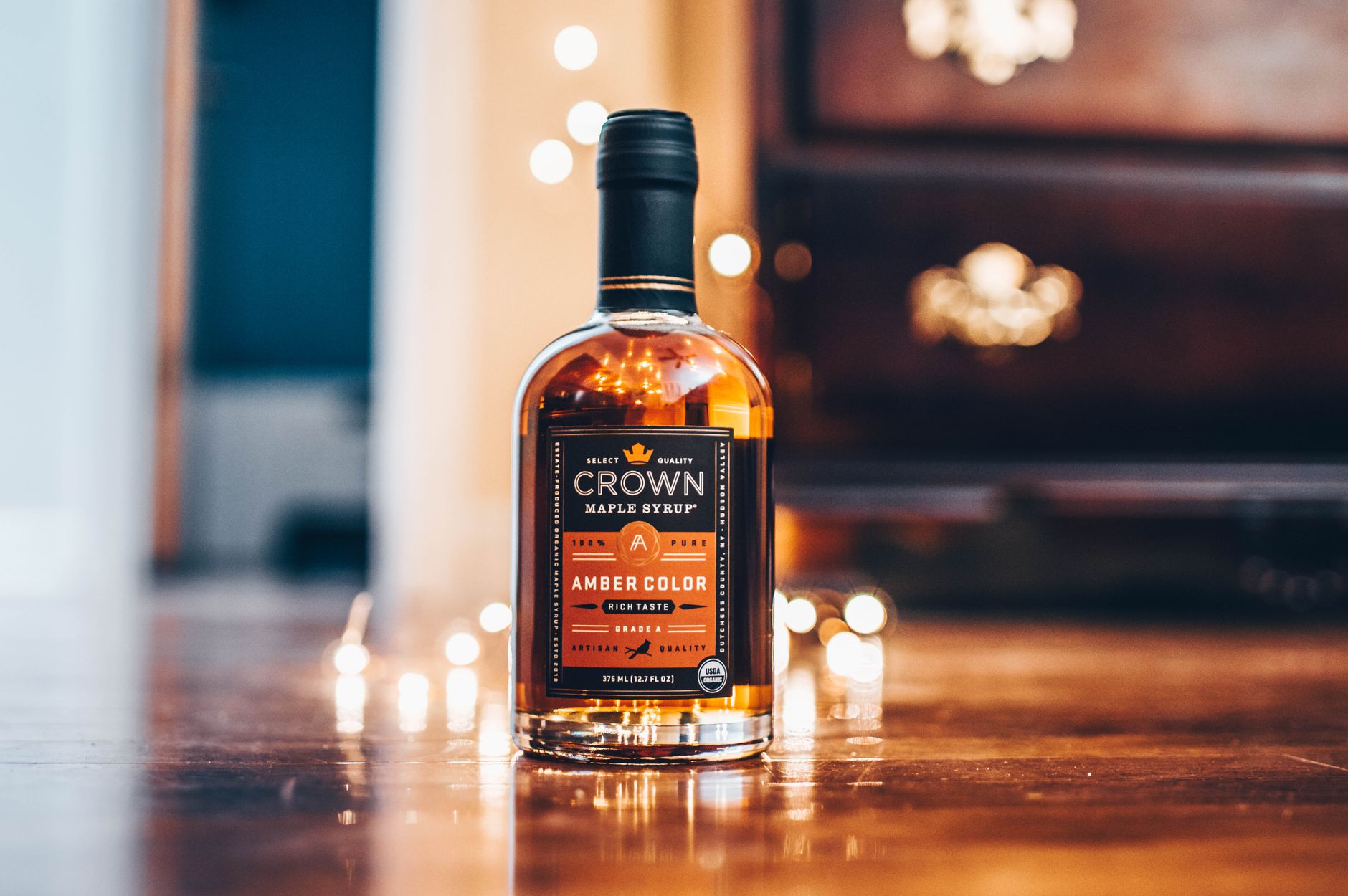
Photo by Chitokan C. via Pexels.
The easiest way to tell the difference is to read the ingredient list. Pure maple syrup should list maple syrup as the only ingredient.
If the bottle contains corn syrup and/or high fructose corn syrup, along with added color or flavor, it is no longer pure maple. Those added ingredients are common in pancake syrup, which is formulated to imitate the taste and appearance of maple syrup at a lower cost.
For a closer comparison of these two sweeteners, read corn syrup vs maple syrup.
Label wording can help, but it should not be the only thing you check. Bottles may use phrases such as pure maple syrup, real maple syrup, or simply pancake syrup on the front.
The front label can still be vague, so the ingredient list is the most reliable clue. If you want the genuine product, look for a short list with no artificial flavors, no extra sweeteners, and no artificial syrup-style additives.
What to Look for on the Bottle
When you are shopping quickly, scan three spots: the product name, the ingredient list, and any flavour description.
A bottle that says pure maple syrup or real maple syrup is usually straightforward, but the ingredient panel confirms it. If you see multiple sweeteners, color additives, or artificial flavors, you are likely looking at pancake syrup.
That simple check saves time and makes the comparison clear in seconds.
How to Choose Between Maple Syrup and Pancake Syrup
To choose between maple syrup and pancake syrup, first check the ingredient list. Choose pure maple syrup when maple syrup is the only ingredient. Choose pancake syrup when you prefer a lower-cost topping made with blended sweeteners and added maple-style flavor.
Step 1: Check the Product Name
Look for terms such as pure maple syrup, real maple syrup, pancake syrup, table syrup, or maple-flavored syrup. These terms can give you a quick starting point, but the ingredient list provides the most reliable confirmation.
Step 2: Read the Ingredient List
Pure maple syrup should list maple syrup as the only ingredient.
Pancake syrup may contain corn syrup, high fructose corn syrup, cane sugar, artificial or natural flavors, added color, or other ingredients used to create a consistent maple-style topping.
Step 3: Decide Which Flavor You Want
Choose maple syrup when you want a more distinctive maple taste with natural variation from bottle to bottle.
Choose pancake syrup when you prefer a sweeter, more uniform flavor that stays consistent each time you use it.
Step 4: Match the Syrup to the Food
Both products work as toppings for pancakes, waffles, French toast, oatmeal, and other breakfast foods.
Maple syrup is also useful in baking, sauces, glazes, marinades, and desserts where its flavor becomes part of the recipe.
Step 5: Compare Price and Serving Size
Pure maple syrup often costs more because of its seasonal production and the amount of sap required to make the finished product.
Pancake syrup may offer a lower purchase price and a larger bottle. Compare the price per serving rather than looking only at the shelf price.
Step 6: Choose Based on the Recipe
Use pure maple syrup when the syrup is an important flavor in the dish.
Use pancake syrup when you mainly need a sweet topping and do not need the deeper flavor of maple sap.
How Each Syrup Is Made
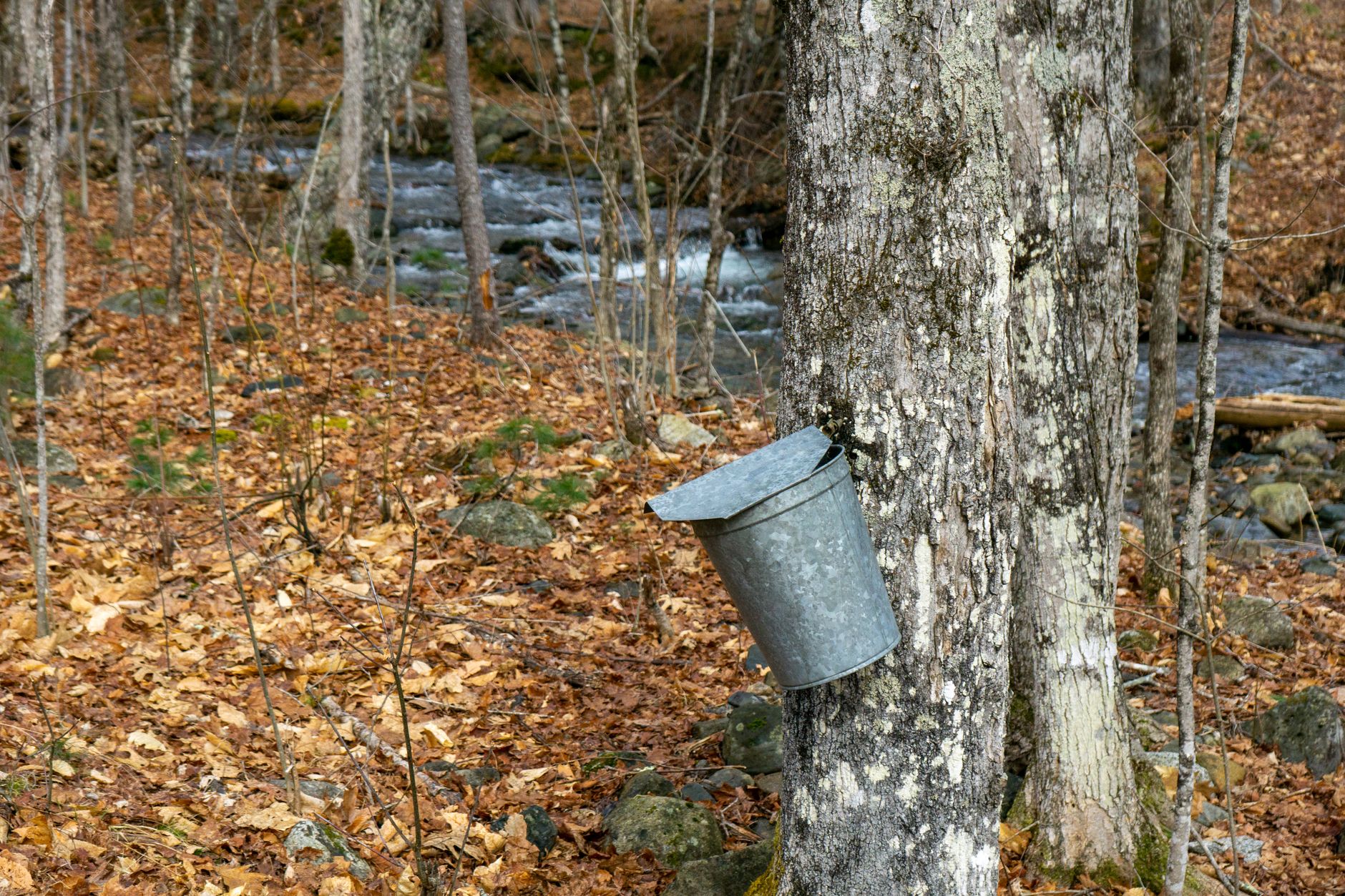
Photo by Matt Barnard via Pexels.
Maple syrup begins with sap collected from maple trees during the tapping season. That sap is naturally watery and must be boiled down until it becomes syrup.
The process concentrates the sugars and creates the familiar maple aroma and taste. Learn more about the process in what maple syrup is and how it is made.
Pancake syrup is made very differently: manufacturers blend sweeteners, then add color and flavour to mimic maple.
Because the production methods are so different, the products also differ in character, consistency, and cost.
Why Maple Syrup Costs More
Maple syrup generally costs more because making it takes time, seasonal labour, and a large volume of sap to produce a single bottle.
The syrup is tied to a natural harvest cycle, not a simple mixing process. Pancake syrup, by contrast, is easier to manufacture in large batches from widely available ingredients.
That difference in production effort is one reason shoppers often see a gap in price.
Flavor, Color, and Texture Differences
Flavor is where the distinction becomes obvious. Maple syrup has a rich flavor that can range from delicate to bold, depending on how it was produced and the grade.
Pancake syrup usually tastes sweeter and more uniform, with a consistent maple-like profile rather than the deeper complexity of the real product.
Color follows the same pattern: maple syrup changes naturally based on color and season, while pancake syrup tends to look more standardized and often darker or more uniform in the bottle.
Texture can differ too. Maple syrup often has a natural, slightly varied feel and appearance, while pancake syrup is engineered for a consistent pour and a predictable taste.
If you are choosing by sight, maple syrup may look less identical from bottle to bottle, which is part of its appeal. If you are choosing by taste, the difference is usually between a layered natural sweetness and a simpler imitation maple profile.
For another comparison of liquid sweeteners, see maple syrup vs agave syrup.
How Maple Syrup Grades Affect Flavor
Maple syrup grades are based on color and flavor, not just quality.
In practical terms, darker syrups usually have a more robust taste and can stand up well in baking, glazes, or savory dishes. Lighter syrups tend to taste more delicate.
That grading system gives buyers a way to choose the flavor intensity they want without assuming that one style is automatically better than another.
How to Use Each One in the Kitchen
Both syrups can be poured over breakfast foods, but they do not behave the same way in recipes.
For pancakes and waffles, either one can work, especially if you mainly want a sweet topping. Maple syrup, however, adds more depth when used in baking, brushed into glazes, or stirred into sauces.
Pancake syrup is often the simpler choice when convenience matters more than flavour complexity.
For additional recipe inspiration, use the Maplelixir online recipe finder.
If you are substituting, the safest place to do it is at the table, not in a recipe where the syrup affects structure or flavour balance.
In baked goods, the difference between pancake syrup and maple syrup can show up in moisture, sweetness, and aroma. The swap may still work, but the result will not taste exactly the same.
When Substitution Works and When It Does Not
Substitution is most acceptable when you are just drizzling over breakfast foods.
If the syrup is part of the recipe itself, the two products are not interchangeable in every situation. Maple syrup can bring more character, while pancake syrup is more neutral and formula-driven.
That means the right choice depends on whether the syrup is the finishing touch or an ingredient that needs to perform under heat.
Which One Is the Better Buy?
The better buy depends on what you value most.
If you want authenticity, ingredient simplicity, and the flavour of real maple syrup, the maple option is the clear fit.
If you want an affordable, familiar topping for pancakes and waffles, pancake syrup can be a practical choice.
There is no single winner for every shopper; the better bottle is the one that matches your budget, taste preference, and how you plan to use it.
For another ingredient comparison, see maple syrup vs coconut sugar.
Frequently Asked Questions
Core Differences & Composition
What is the difference between pancake syrup and maple syrup?
Pure maple syrup is made by collecting sap from maple trees and boiling it down until it reaches syrup consistency. It should list maple syrup as the only ingredient.
Pancake syrup is usually a manufactured blend made with sweeteners, color, and maple-style flavoring. It is designed to provide a consistent taste and texture at a lower price.
Is pancake syrup just corn syrup?
Not always, but corn syrup is a common ingredient in many pancake syrups. A pancake syrup formula may also contain high fructose corn syrup, cane sugar, water, color, flavoring, preservatives, or other sweeteners.
The only reliable way to know what is inside a bottle is to read the ingredient list. Learn more about corn syrup in our guide to what corn syrup is and how it works.
Why is pure maple syrup so expensive compared to pancake syrup?
Pure maple syrup costs more because it depends on a seasonal harvest from maple trees. Producers collect large amounts of sap and boil off much of the water before the finished syrup is ready.
Pancake syrup can be produced in larger batches from widely available sweeteners and flavoring ingredients. It does not depend on the same limited tapping season or natural sap supply.
How can you tell if syrup is real maple syrup?
Check the ingredient list. Pure maple syrup should list maple syrup as the only ingredient.
The front label may say pure maple syrup or real maple syrup, but the ingredient panel gives the clearest answer. If you see corn syrup, high fructose corn syrup, added flavor, or added color, the product is not 100% pure maple syrup.
Health & Nutrition
Is pure maple syrup healthier than pancake syrup?
Pure maple syrup and pancake syrup are both sweet toppings, so serving size still matters. Pure maple syrup generally has a simpler ingredient list and contains small amounts of naturally occurring minerals and plant compounds.
Pancake syrup is usually formulated from blended sweeteners and flavoring ingredients. The nutrition difference depends on the specific products, so compare their labels rather than assuming every bottle is identical.
For another comparison of maple and agave products, read is agave syrup the same as maple syrup?.
Does pancake syrup have any nutritional value?
Pancake syrup mainly provides sweetness and calories from its sugar-based ingredients. Some products may contain small amounts of minerals or other ingredients, but the amounts vary by brand and formula.
Check the nutrition facts panel and ingredient list for the specific product you are buying.
Does real maple syrup raise blood sugar less than pancake syrup?
Both pure maple syrup and pancake syrup contain sugar and can raise blood glucose. The effect depends on the serving size, the product formula, and what else is eaten with it.
You should not assume that pure maple syrup will always produce a lower blood sugar response than pancake syrup. Anyone managing diabetes or blood glucose should follow guidance from a qualified healthcare professional.
🍳 Substitutions & Cooking
Can I use pancake syrup instead of maple syrup in a recipe?
You can use pancake syrup instead of maple syrup in some recipes, especially sauces, toppings, and simple baked goods.
The finished result may taste sweeter and less complex. Pancake syrup may also contain more water, added flavor, or different sweeteners, which can change the texture and color of the recipe.
For recipes where maple flavor is important, pure maple syrup is usually the closer choice.
Can you use maple syrup as regular pancake syrup?
Yes. Pure maple syrup can be poured directly over pancakes, waffles, French toast, oatmeal, and other breakfast foods.
It may have a more varied flavor and lighter or darker color depending on its grade. It can also be more expensive than pancake syrup, but it works well as a breakfast topping without any recipe changes.
What is a good substitute for maple syrup when baking?
Good substitutes depend on the recipe and the role of the syrup. Options may include:
- Honey
- Agave syrup
- Golden syrup
- Brown rice syrup
- Corn syrup
- Date syrup
- Pancake syrup
Each substitute can change the flavor, moisture, sweetness, and texture. For simple toppings, most options work easily. For baking, sauces, and glazes, start with a small test batch when possible.
For a related comparison, read brown rice syrup vs maple syrup.
🧴 Storage & Shelf Life
Does opened maple syrup need to be refrigerated?
Yes. Opened pure maple syrup should generally be refrigerated. Cold storage helps maintain its quality and reduces the chance of spoilage or mold growth.
Keep the container tightly closed and use clean utensils when serving it. Always check the product label for specific storage instructions.
How long does pancake syrup last after opening?
The shelf life of opened pancake syrup depends on its ingredients, packaging, preservatives, and storage instructions.
Check the best-before date and the product label. Store the bottle as directed, keep the cap clean, and discard the syrup if it develops an unusual smell, visible mold, unexpected fermentation, or a major change in texture.
Can you freeze pure maple syrup?
Yes. Pure maple syrup can be frozen, although it may expand slightly during freezing. Leave some space in the container instead of filling it completely.
Thaw the syrup in the refrigerator or at room temperature, then stir it if the texture has changed. A tightly sealed container helps protect the flavor and quality.
Additional Maple Syrup Questions
What is maple?
Maple is a type of tree found mainly in North America, Europe, and Asia. Certain maple species, especially sugar maple, black maple, and red maple, produce sap that can be collected during the spring season.
That sap is boiled to remove water and create pure maple syrup. The trees, weather, harvest timing, and production process all influence the final syrup’s color and flavor.
Does maple syrup contain artificial flavoring?
Pure maple syrup should not contain artificial flavoring. It is made by collecting maple sap and concentrating it through boiling.
However, products labeled pancake syrup, table syrup, or maple-flavored syrup may contain artificial flavoring, color, and added sweeteners. Always check the ingredient list if you want a product made only from maple sap.
Does maple syrup have a glycemic index?
Maple syrup has a glycemic index, which is a measurement used to describe how carbohydrate-containing foods may affect blood glucose after eating.
Glycemic index values can vary depending on the testing method, the specific product, serving size, and the other foods eaten with it. The glycemic index does not show whether a syrup is pure maple syrup or pancake syrup, so it is still important to check the ingredient list and nutrition label.
Choosing the Right Syrup for Your Table
Photo by RDNE Stock project via Pexels.
When you compare labels, production, and flavour side by side, the difference becomes straightforward.
Maple syrup is a natural product from maple trees with a distinctive taste and variable character. Pancake syrup is a manufactured sweetener blend built for consistency and value.
If you want the bottle that adds the most depth, choose maple. If you mainly want a sweet pour for breakfast, pancake syrup still does the job.
For more information about maple sugar and maple syrup, read maple sugar vs maple syrup.
The better choice is the one that matches your budget, taste preference, ingredient priorities, and how you plan to use it.