

Is Agave Syrup the Same as Maple Syrup?
If you have ever wondered whether agave syrup is the same as maple syrup, the short answer is no. Both are liquid sweeteners, but they come from different plants, have different flavor profiles, and perform differently in recipes.
The choice matters when you are topping pancakes, sweetening coffee, mixing a sauce, or baking. For another liquid sweetener comparison, see maple syrup vs coconut sugar.
This article compares ingredients, processing, flavor, and recipe use. It does not provide medical or dietary advice.
Agave Syrup vs Maple Syrup: Fact Sheet Comparison
| Feature | Agave Syrup | Pure Maple Syrup |
|---|---|---|
| Source | Juice from the agave plant | Sap from maple trees |
| Common name | Agave syrup or agave nectar | Pure maple syrup |
| Production method | Plant juice is processed into concentrated syrup | Maple sap is boiled to remove water |
| Main sugar profile | Usually contains a higher proportion of fructose | Mostly sucrose, with small amounts of glucose and fructose |
| Flavor | Mild and neutral | Rich, caramel-like, and distinctly maple |
| Sweetness | Often sweeter by volume | Less sweet than agave by volume |
| Color | Usually light gold to amber | Light golden to dark amber, depending on grade |
| Texture | Smooth and pourable | Smooth and pourable |
| Cold drink use | Blends easily into iced drinks | Adds a noticeable maple flavor |
| Baking use | Works when a neutral flavor is wanted | Works when maple flavor is part of the recipe |
| Common kitchen use | Cocktails, smoothies, dressings, and mild sauces | Breakfast foods, glazes, marinades, sauces, and baked goods |
| Glycemic index listings | Often listed in a lower range, depending on the product | Often listed in a higher range than agave, depending on the product |
| Label details | Usually lists carbohydrates and sugars with limited additional nutrients | May list trace amounts of minerals, depending on the product and serving size |
Nutrition labels, sugar profiles, and glycemic index figures can vary by brand, processing method, and serving size.
How to Test Agave Syrup and Maple Syrup Before Using Them in a Recipe
To compare agave syrup and maple syrup in your own cooking, make a small test batch before changing a full recipe. This helps you choose the syrup that gives the flavor, color, and texture you want.
Step 1: Choose One Simple Test Food
Use a small portion of a neutral food, such as plain yogurt, oatmeal, a basic vinaigrette, or a simple pancake batter. Make two equal portions so each syrup can be tested separately.
Step 2: Measure the Same Starting Amount
Add the same measured amount of each syrup, such as one teaspoon, to separate bowls. Using the same amount makes it easier to compare the results without guessing.
Step 3: Taste and Check the Aroma
Taste each sample side by side. Notice which syrup is more noticeable, which one blends into the other ingredients, and which flavor suits the recipe you are making.
Step 4: Check Thickness and Color
Look at how each syrup changes the mixture. One may make a sauce, drink, or batter look lighter or darker. It may also feel thinner or thicker after mixing.
Step 5: Adjust in Small Amounts
If one sample needs more sweetness or a stronger flavor, add another small amount and test again. Record the final amount that works best so you can repeat the result in a larger batch.
Step 6: Use the Best Match for the Recipe
Choose the syrup that gives the result you want. For recipes where flavor is meant to stand out, choose the syrup that adds the preferred taste. For recipes where other ingredients should remain the focus, choose the syrup that blends in more easily.
What Agave Syrup and Maple Syrup Are Made From
Agave syrup is made from the agave plant. The plant’s juice is extracted and turned into a concentrated liquid sweetener. It is often sold as agave nectar, although it is generally a processed syrup rather than raw nectar.
Pure maple syrup starts with sap collected from maple trees. The sap is heated until enough water evaporates to create the familiar amber syrup.
Both products are liquid sweeteners, but the starting ingredients are completely different. Maple syrup comes from tree sap, while agave syrup comes from a plant juice.
For another comparison of maple syrup with a grain-based syrup, read brown rice syrup vs maple syrup.
How the Two Syrups Are Produced
Maple syrup production follows a simple process. Producers collect maple sap, filter it, and boil it until it reaches the proper concentration. Pure maple syrup generally has one ingredient: maple syrup.
Agave production involves extracting juice from the agave plant and processing it into a consistent, pourable syrup. The result is a product with mild sweetness and a uniform texture.
These production methods affect the final syrup’s color, flavor, and recipe performance. They also explain why maple syrup has a more recognizable origin story, while agave is often chosen for a neutral flavor profile.
Maple syrup can also be turned into a dry sweetener through further heating. Learn more about maple sugar vs maple syrup.
Some pancake syrups and imitation maple products contain other ingredients, including corn syrup. Check the ingredient label if you are looking for pure maple syrup.
Taste and Recipe Pairing
Maple syrup has a clear maple taste with caramel-like, toasted, and woodsy notes. It stands out in recipes, so it works best when you want the sweetener to be part of the flavor.
Use maple syrup in recipes such as:
- Pancakes, waffles, and French toast
- Oatmeal and yogurt
- Coffee and tea
- Maple glazes
- Salad dressings
- Roasted vegetables
- Barbecue-style sauces
- Muffins, cakes, and cookies
Agave syrup has a mild flavor that usually stays in the background. It works well when you want to add sweetness without changing the flavor of a drink, sauce, or dessert.
Use agave syrup in recipes such as:
- Iced coffee
- Cocktails
- Smoothies
- Lemonade
- Cold tea
- Mild salad dressings
- Fruit sauces
- Light desserts
Honey is another liquid sweetener, but it has a thicker consistency and a floral taste. If you are considering honey for a recipe, see our guide on using honey instead of maple syrup.
Sweetness and Measuring Differences
Agave syrup is often sweeter than maple syrup by volume. That means you may need less agave to reach the same level of sweetness in a recipe.
Maple syrup is less sweet by comparison, but it brings more flavor. This can be useful in recipes where you want a sweetener that contributes aroma and color as well as sweetness.
When measuring either syrup, start with less than the recipe calls for if you are making a substitution. You can add more sweetness, but it is difficult to remove it once it has been mixed into a batter, sauce, or drink.
Baking With Agave Syrup and Maple Syrup
Both syrups can be used in baking because they add sweetness and moisture. However, they may change the final color, browning, texture, and flavor of a recipe.
Maple syrup can give baked goods a darker color and a richer flavor. It works especially well in recipes with warm spices, oats, pecans, walnuts, apples, pumpkin, cinnamon, and vanilla.
Agave syrup is useful when the recipe needs sweetness but you do not want a strong maple flavor. It can work well in lighter cakes, fruit-based desserts, and recipes where other ingredients should remain the focus.
When using either syrup instead of a dry sweetener, consider reducing other liquids slightly. Syrups add moisture, so a batter may become thinner if no adjustment is made.
Agave Syrup to Maple Syrup Substitution Ratio
To replace maple syrup with agave syrup, begin with this ratio:
Use ¾ cup of agave syrup for every 1 cup of maple syrup.
Agave is usually sweeter, so this starting point helps prevent the recipe from becoming overly sweet. Taste the mixture if possible, then adjust in small amounts.
To replace agave syrup with maple syrup, begin with this ratio:
Use 1 cup of maple syrup for every ¾ cup of agave syrup.
The final result will have a stronger maple flavor. It may also have a slightly different color, especially in baked goods and sauces.
If you need another maple syrup replacement option, see our guide to honey as a maple syrup substitute.
Sugar Composition and Glycemic Index
Agave syrup and maple syrup contain different types of sugars. Agave syrup generally has a higher proportion of fructose, while pure maple syrup is mostly sucrose.
Glycemic index is a measurement sometimes used to compare carbohydrate-containing foods. Agave syrup is commonly listed with a lower glycemic index than maple syrup, but published figures can vary between products.
Glycemic index is only one product detail. It does not describe flavor, ingredient sourcing, texture, or how a syrup will perform in a recipe.
If you are comparing maple syrup with another fruit-based liquid sweetener, see our guide to date syrup vs maple syrup.
How to Choose Between Agave and Maple Syrup
Choose maple syrup when:
- You want a bold, recognizable maple flavor
- You are making breakfast dishes or glazes
- You want a short ingredient list
- You are baking with warm spices, nuts, oats, or fruit
- You want a darker color and richer aroma
Choose agave syrup when:
- You want a mild, neutral taste
- You are sweetening iced coffee or cocktails
- You want the flavors of other ingredients to stand out
- You are making a light dressing or fruit sauce
- You want to use a smaller volume of syrup for sweetness
For a broader look at maple syrup compared with refined sugar, read Is Maple Syrup Better Than Sugar?.
How to Interpret Syrup Labels and Product Descriptions
When comparing maple syrup vs agave, product descriptions often use language that describes taste, texture, color, or intended use. For example, a product may be described as a thick, sweet-tasting syrup with a rich, distinctive taste, while another may be promoted for its neutral flavour.
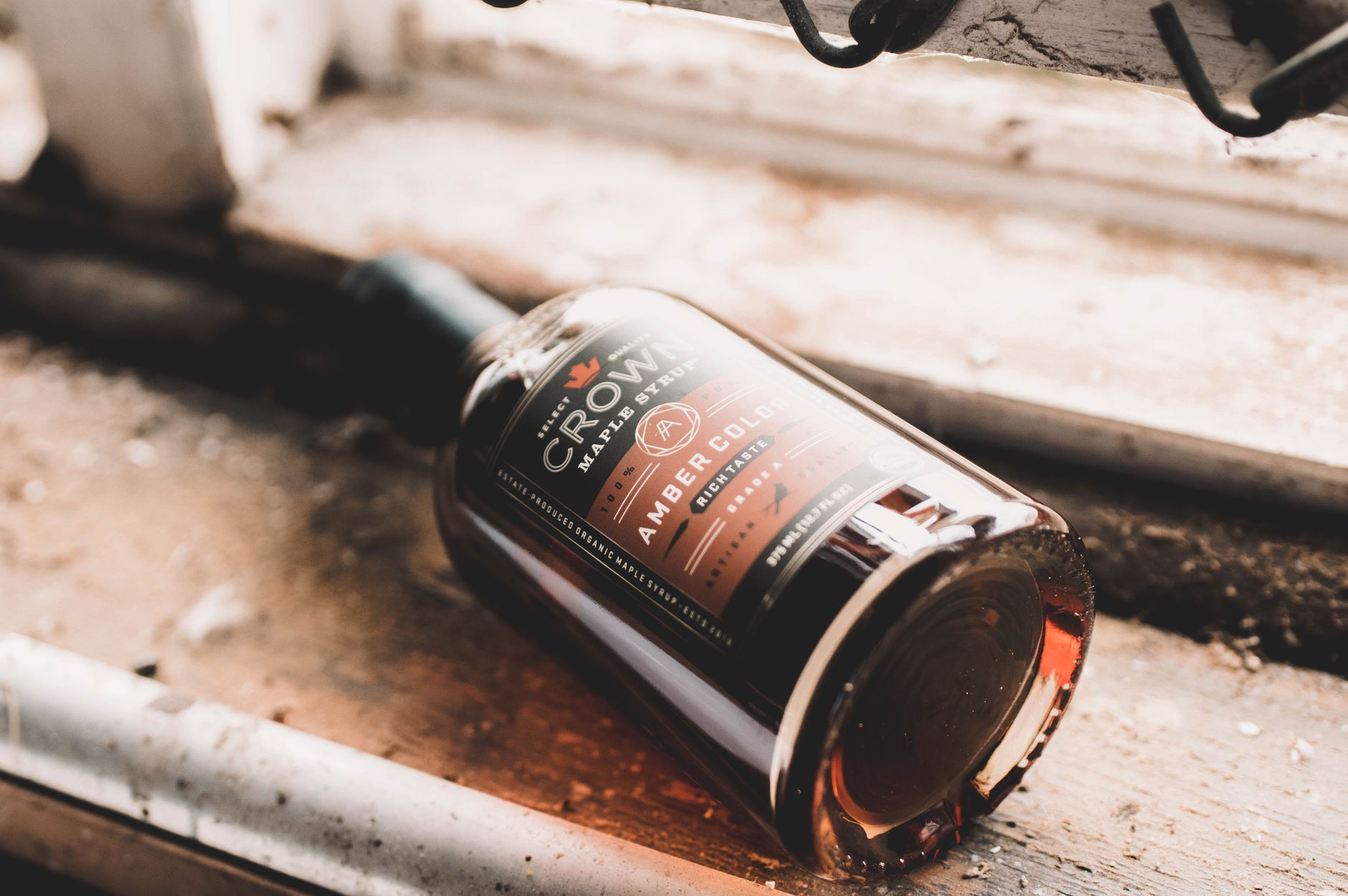
Photo credit: Chitokan C. via Pexels.
The wording may also mention a range of colours, from pale gold to dark amber, or explain that a syrup is heated or boiled to form its final consistency. Recipe tags such as iced coffees and cocktails usually show where a mild liquid sweetener may be used, rather than describing a required use.
You may also see phrases such as lower fructose content, glycaemic index, low glycaemic index, or low glycemic index. These are product comparison terms. The British spelling, “glycaemic,” and the American spelling, “glycemic,” refer to the same measurement. Exact figures can vary by brand, recipe, and production method.
Finally, some product pages mention minerals and antioxidants, including copper, calcium and potassium. When these details are important to you, check the specific product label or manufacturer information rather than relying only on broad marketing language.
How to Read Sweetener Marketing Language
When shopping for maple syrup and agave syrup, it helps to separate recipe language from promotional language. Terms such as sugar substitute, table sugar, and refined sweetener usually describe how a product is positioned or used in a recipe. They do not explain its flavor, source, or performance in every dish.
Some product pages also use words such as simple sugar, high fructose content, nutritional profiles, and vitamins and minerals. These terms should be checked against the ingredient list and nutrition facts panel for the specific product. Labels can vary by brand, serving size, and processing method.
You may also see phrases such as blood sugar levels, blood sugar, insulin resistance, less of an impact, prebiotic, and additional health benefits in search results or marketing copy. These are health-related terms, not recipe instructions. Do not treat them as a guarantee about how a sweetener will work for an individual person.
Finally, do not confuse liquid syrups with artificial sweeteners. Maple syrup and agave syrup are liquid sweeteners made from plant sources, while artificial sweeteners are a separate product category with different ingredients and uses.
Frequently Asked Questions
Is agave syrup better for diabetics than maple syrup?
This article does not make personal dietary recommendations for people with diabetes. Agave syrup and maple syrup have different sugar profiles and glycemic index listings.
For guidance that reflects your individual needs, speak with a qualified healthcare professional.
Why is agave syrup worse than maple syrup?
Agave syrup is not automatically worse than maple syrup. The two products are different in source, flavor, sweetness, and processing.
Maple syrup is often chosen for its distinct maple flavor. Agave is often chosen for a milder taste. The better option depends on the recipe you are making.
Does agave syrup have more fructose than maple syrup?
Yes. Agave syrup generally contains a higher proportion of fructose than maple syrup.
Pure maple syrup is mostly sucrose. The exact sugar composition can vary by product, so check the label if this information is important to you.
Which sweetener has a lower glycemic index, agave or maple syrup?
Agave syrup is commonly listed with a lower glycemic index than maple syrup. Glycemic index figures can vary depending on the brand, ingredients, and testing method.
Use this as one comparison point alongside flavor, sweetness, and recipe use.
Culinary & Substitution Questions
Can I substitute agave for maple syrup in baking?
Yes. Agave can replace maple syrup in many baking recipes because both are liquid sweeteners.
Keep in mind that agave is often sweeter and does not add the same maple flavor. It may also change the color of the final baked good.
What is the substitution ratio for agave syrup to maple syrup?
Use about three-quarters cup of agave syrup for every one cup of maple syrup.
Start with this ratio, then adjust based on the recipe and your preferred level of sweetness.
Is agave syrup sweeter than maple syrup?
Yes. Agave syrup is generally sweeter than maple syrup by volume.
This means a smaller amount of agave may be enough in drinks, sauces, and desserts.
Does agave syrup change the flavor of food compared to maple syrup?
Yes. Agave syrup has a mild, neutral flavor that blends into food without becoming very noticeable.
Maple syrup has a stronger flavor with caramel-like and woodsy notes. It can become a main flavor in oatmeal, pancakes, coffee, glazes, and baked goods.
General Sweetener Comparisons
What is the healthiest alternative to white sugar?
This article does not rank sweeteners by health. For cooking purposes, the best alternative depends on the texture, moisture, flavor, and color you want in the final recipe.
Mashed banana, applesauce, blended dates, maple syrup, honey, agave, coconut sugar, and brown rice syrup all behave differently in the kitchen.
Which is better: honey, maple syrup, or agave?
The better choice depends on the recipe and flavor goal.
Honey has a floral taste and thick texture. Maple syrup has a rich maple flavor and works well in baking, glazes, and breakfast foods. Agave has a mild flavor and works well in cold drinks and recipes where you want sweetness without a strong taste.
Is agave nectar just high-fructose corn syrup?
No. Agave nectar and high-fructose corn syrup are different products.
Agave nectar comes from the agave plant. High-fructose corn syrup is made from corn starch. Both can contain fructose, but they have different sources and production methods.
Simple Takeaway on Agave Syrup vs Maple Syrup
Agave syrup and maple syrup are not the same product. Agave comes from the agave plant and has a mild flavor that works well in cold drinks and neutral recipes.
Maple syrup comes from tree sap and adds a rich, recognizable maple taste to breakfast dishes, baking, sauces, and glazes.
Choose the syrup that fits your recipe, then adjust the amount to match your preferred sweetness level.
Learn more about Maplelixir and gourmet food:
https://mangoflux.com/maplelixir-what-actually-works-for-gourmet-food