

Coconut Sugar vs Maple Syrup: Which Is Better for You?
Choosing between coconut sugar and maple syrup usually comes down to the same three questions: which one has a slight nutritional edge, which one is gentler on blood sugar levels, and which one works best in a recipe.
The short version is that pure maple syrup often has the stronger case for antioxidants and versatility, while coconut sugar can be convenient when a granulated sweetener makes more sense.
Neither is a free pass, though. Both are added sugars, so moderation still matters. If you are also comparing maple syrup with refined sugar, see our guide on whether maple syrup is better than sugar.
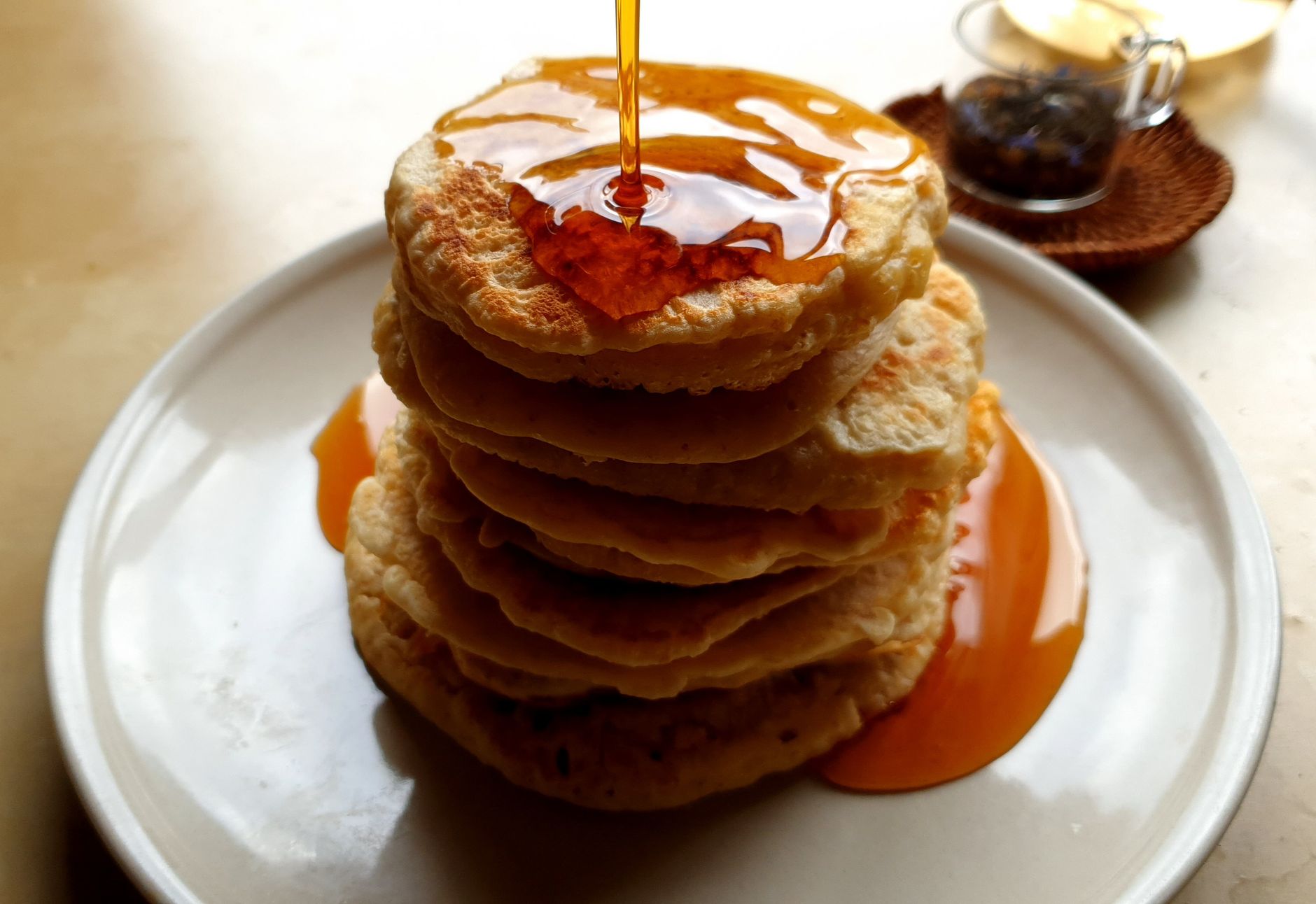
Photo credit: Tea Creative via Pexels.
Maple Syrup vs Coconut Sugar: Quick Answer
If the goal is the most practical all-around option, pure maple syrup usually wins for flavor, ease of use, and a modest nutrient profile. If the goal is dry, brown-sugar-style sweetness for baking, coconut sugar is often the simpler swap.
On blood sugar impact, coconut sugar is sometimes marketed as better for you, but the real difference is smaller than the hype suggests. Both are still sugar-dense natural sweeteners, so the best choice depends on nutrition, cooking use, and how much added sugar fits into the rest of the day.
What Is Maple Syrup?
Maple syrup is made by collecting sap from maple trees and boiling it down until the water content drops and the syrup thickens. The product most people buy is pure maple syrup, not imitation table syrup, which is often made with refined sweeteners and flavorings.
That minimal processing is part of why maple syrup keeps its rich taste and some naturally occurring compounds that attract research interest. It is also quite different from corn syrup, which is usually more heavily processed and has a more neutral flavor.
How Pure Maple Syrup Is Made
During spring, sap is gathered from maple trees, usually sugar maples, then heated to concentrate it into syrup. Because pure maple syrup is boiled rather than heavily refined, it keeps more of its natural color, aroma, and trace compounds than a highly processed sweetener.
That matters less for calorie control than for flavor and authenticity, but it is one reason food lovers often prefer the real product.
What Maple Syrup Contains
Maple syrup is mostly sugar, with calories that add up quickly in a pour-over serving. It does contain small amounts of minerals such as manganese and zinc, along with compounds studied for antioxidant properties.
Some research also looks at its bioactive components for possible anti-inflammatory and antibacterial properties, but the amounts in a typical serving are modest. In other words, maple syrup offers a few nutritional benefits, but not enough to make it a major nutrient source.
Maple syrup is also different from maple sugar, which is made by further reducing maple syrup until it becomes a dry, granulated sweetener.
What Is Coconut Sugar?
Coconut sugar comes from the sap of coconut palm blossoms, not from the coconut meat itself. After collection, the sap is heated and dried until it becomes granulated. The result looks and behaves more like brown sugar than a liquid sweetener, which is why it often feels like a natural fit in dry baking mixes and coffee blends.
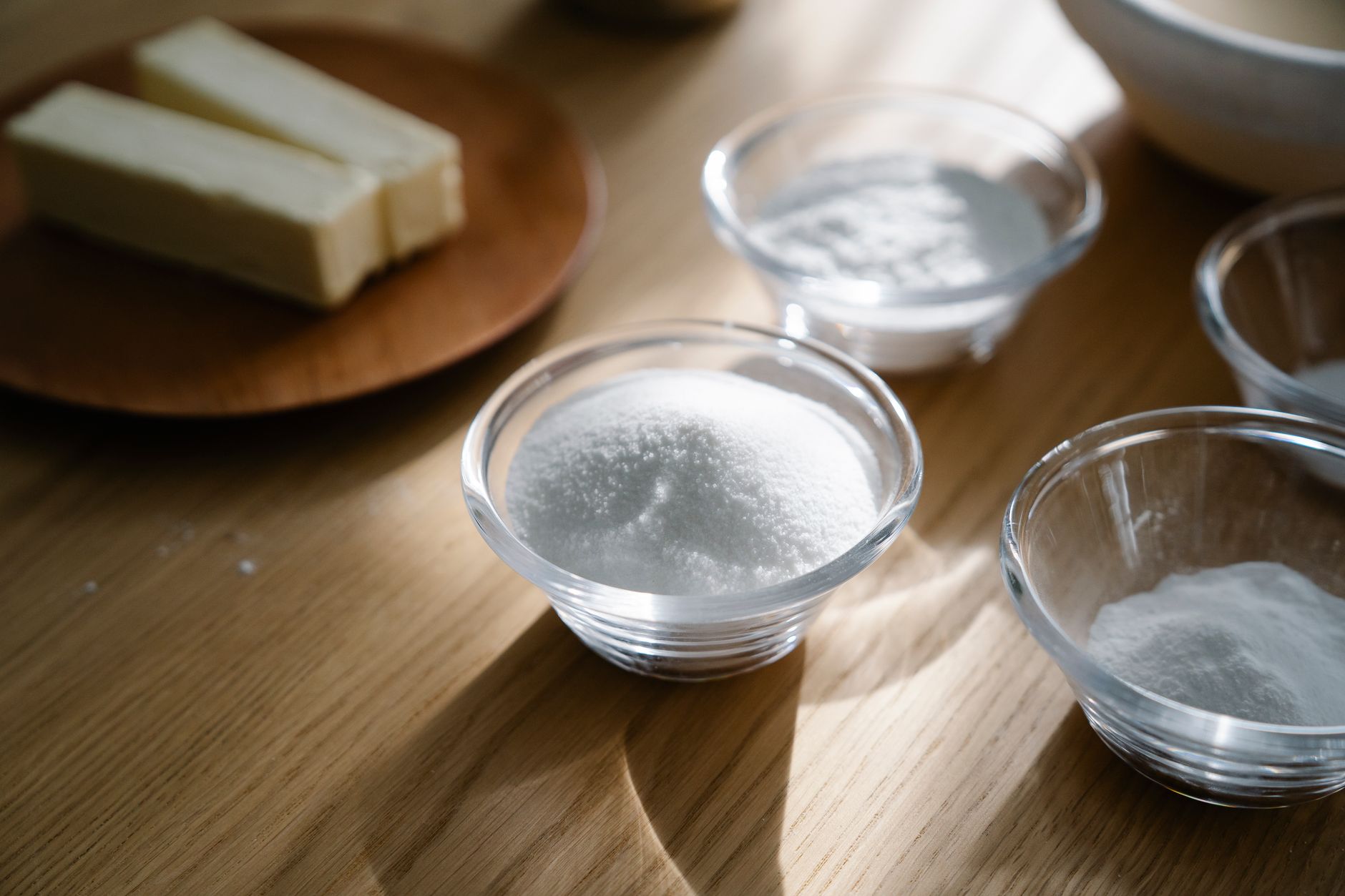
Photo credit: Felicity Tai via Pexels.
How Coconut Sugar Is Produced
Producers heat coconut sap until moisture evaporates, then break the dried material into crystals. That process leaves a sweetener with a granular texture, a caramel-like color, and a taste that sits closer to brown sugar than to maple syrup.
For cooks, that physical form matters. It measures like sugar, not like a syrup, so it behaves differently in batters and doughs.
What Coconut Sugar Contains
Coconut sugar is still carbohydrate-heavy and high in sugar, even though it is often promoted as a healthier alternative. It contains trace minerals and small amounts of compounds such as inulin, which gets attention because it may affect digestion and the gut microbiome.
But those nutrients are present in small amounts, so coconut sugar should be viewed as a sweetener first and a source of vitamins and minerals only in a very limited sense.
How Maple Syrup Fits Into a Whole-Foods Diet
The nutritional value of maple syrup comes from its simple ingredient profile, but that does not make it a major source of nutrition. It can fit into meals built around whole foods, such as oats, fruit, yogurt, nuts, and whole-grain baked goods, where a small drizzle adds flavor without taking over the dish.
Claims about anti-inflammatory properties should also be viewed carefully. Maple syrup may contain compounds that attract scientific interest, but these findings do not turn it into a treatment or supplement. Its small amounts of nutrients, including small amounts of calcium and trace amounts of minerals, are best seen as minor benefits rather than a reason to consume more.
The main purpose of maple syrup is still to provide sweetness and flavor. Choose pure maple syrup when you want a simple ingredient, then use it in a measured portion alongside foods that provide protein, fiber, vitamins, and minerals.
Nutritional Comparison: Maple Syrup vs Coconut Sugar
At the serving level, the differences are narrower than many shoppers expect. Maple syrup is a liquid sweetener, so a tablespoon can be easier to overpour into pancakes or lattes. Coconut sugar is spooned and measured more like refined sugar.
Both are still high in sugar and carbohydrates, so the practical nutrition story is more about portion size than about a dramatic health gap.
| Per Typical Tablespoon | Maple Syrup | Coconut Sugar |
|---|---|---|
| Calories | About 50 | About 45 |
| Carbohydrates / sugar | Mostly sugar | Mostly sugar |
| Micronutrients | Small amounts of minerals | Trace minerals |
| Best use | Drizzling, sauces, wet batters | Baking, dry mixes, granulated swaps |
Calories, Sugar, and Carbohydrates
Both sweeteners contribute roughly the same kind of energy: quick-digesting carbohydrate in a sweet package. Maple syrup’s liquid form makes it easy to blend into coffee, oatmeal, and glazes, but that also makes it easy to use more than intended.
Coconut sugar is easier to portion in recipes that already call for granulated sugar, though it still behaves like an added sugar in the body.
Vitamins, Minerals, and Antioxidants
Maple syrup is often praised for its antioxidant properties because it contains a range of polyphenols and related compounds. Coconut sugar offers trace minerals such as potassium, calcium, and iron, but the amounts are small.
In a real-world serving, neither sweetener delivers large amounts of vitamins and minerals, though pure maple syrup may have a slight edge in interesting bioactive compounds.
Which Is Better for You Nutritionally?
There is no health-food winner here. If the aim is to choose the option with the most discussed nutrient profile, maple syrup usually gets the nod over refined sugar, while coconut sugar’s appeal is more about being less processed in feel and form.
Still, both count toward added sugars, so the most meaningful nutritional upgrade is using less overall rather than simply switching sweeteners.
Health Impact: Blood Sugar, Gut Health, and More
Health claims around natural sweeteners tend to stretch faster than the evidence. Coconut sugar is often marketed as lower glycemic index, while maple syrup is praised for plant compounds that may support wellness.
Those ideas are not baseless, but they do not override the basic fact that both sweeteners raise blood sugar and can add up quickly in everyday eating. This is also important when comparing other natural liquid sweeteners, such as in our date syrup vs maple syrup comparison.
Glycemic Impact and Insulin Response
Coconut sugar may have a somewhat lower glycemic index than regular table sugar, and maple syrup can also differ from refined sugar in how quickly it affects blood sugar levels. In practical terms, that means the spike may be a little less sharp for some people, but it is still a sugar load.
For anyone managing insulin resistance, prediabetes, or metabolic syndrome risk, amount matters more than the label on the jar.
Potential Benefits and Limitations
Research on maple syrup’s antioxidants, coconut sugar’s inulin content, and possible prebiotic activity is interesting, but human evidence remains limited. Some lab findings suggest anti-inflammatory effects or support for the gut microbiome, yet those effects are not strong enough to treat either sweetener as a functional food.
Excess intake of added sugars remains the bigger story, especially when daily habits already lean sweet.
Taste and Texture Differences
Flavor is where the choice becomes easy for many cooks. Maple syrup delivers a distinct maple-tree sweetness with a rich, caramel-like depth, while coconut sugar tastes milder, with brown sugar notes and a lightly earthy finish.
That difference can either elevate a recipe or disappear into the background depending on what is being made.
Flavor Profile
Maple syrup stands out in drinks, yogurt, pancakes, and glazes because its flavor is recognizable even in small amounts. Coconut sugar is subtler, which can be an advantage in baked goods where a familiar sweetness is preferred and no single flavor should dominate.
In cookies or muffins, the sweetener choice can change the final aroma as much as the sweetness itself.
Best Uses by Taste
Choose maple syrup when the sweetener should be noticed, such as over oatmeal, in sauces, or in a sticky glaze. Choose coconut sugar when a dry, familiar sweetness is more useful than a pronounced flavor, especially in spice cakes or crumb toppings.
The better option is usually the one that fits the recipe’s texture and flavor goal, not the one with the louder marketing claim.
How to Substitute Maple Syrup and Coconut Sugar
Substitution works best when texture is treated as seriously as sweetness. Coconut sugar can usually replace refined sugar one-to-one in many baking formulas, while maple syrup needs a little more care because it brings moisture with it.
That difference matters most in cakes, cookies, and muffins, where a small liquid change can alter spread, crumb, and browning. For more ingredient options, use this complete maple syrup substitute guide.
Best Swaps in Baking
For dry mixes, coconut sugar is straightforward because it measures like granulated sugar. Maple syrup often requires reducing other liquids slightly to keep batters from becoming too loose.
In denser baked goods, maple syrup can add moisture and a deeper flavor, while coconut sugar tends to preserve a more classic structure and crunch. The recipe should decide the swap, not habit.
When to Choose Each Sweetener
Use maple syrup for drizzling, sauces, overnight oats, and moist desserts where its liquid form is an advantage. Use coconut sugar for rubs, dry baking mixes, and recipes that depend on granulated sweetness.
For coffee and tea drinkers, maple syrup can feel lush and aromatic, while coconut sugar works better when a more neutral sweetness is the goal.
Honey is another common maple syrup alternative, but it has a different flavor, color, and thickness. Learn more about using honey instead of maple syrup, including how honey changes the taste and texture of recipes.
If you are making a direct swap, this guide to using honey as a maple syrup substitute can help you choose the right amount for baking, drinks, sauces, and breakfast recipes.
Which Sweetener Is Better for You?
The best choice depends on what matters most at the moment. If nutrition and versatility are the priority, pure maple syrup has a slight edge thanks to its antioxidant profile and ease of use in both sweet and savory dishes.
If baking convenience and granulated texture matter more, coconut sugar is often the better fit. Either way, neither is a magic upgrade.
Choose Based on Your Goal
For blood sugar awareness, the main advantage comes from using less, not from expecting a sweetener to solve the problem. For flavor, maple syrup is more distinctive. For baking convenience, coconut sugar is more familiar and easier to measure.
If the goal is the most useful everyday sweetener, pure maple syrup may edge out coconut sugar. If the goal is texture in dry recipes, coconut sugar can be the smarter pick.
Frequently Asked Questions
Which is healthier: coconut sugar or maple syrup?
Neither sweetener is clearly healthy in large amounts because both are added sugars. Pure maple syrup may have a slight nutritional advantage because it contains small amounts of minerals and naturally occurring plant compounds. Coconut sugar may be useful when you need a dry, granulated sweetener. The healthier choice depends more on portion size and how often you use it than on the type of sweetener.
Does coconut sugar spike blood sugar less than maple syrup?
Coconut sugar may have a lower glycemic index than regular white sugar, but that does not mean it has little effect on blood sugar. Maple syrup also contains a large amount of sugar and can raise blood glucose. The response varies by serving size, the rest of the meal, and the individual. For blood sugar management, using less sweetener is usually more important than choosing one natural sweetener over another.
Is coconut sugar actually better for you than white sugar?
Coconut sugar may retain small amounts of minerals and other compounds that are removed from highly refined white sugar. However, it is still mostly sugar and provides similar calories. It should not be treated as a free-use health food. Coconut sugar may be a less refined option, but replacing white sugar with coconut sugar does not remove the need to limit added sugar.
Is pure maple syrup considered a healthy choice?
Pure maple syrup can fit into a balanced diet when used in small amounts. It contains small amounts of manganese, zinc, and plant compounds that are not found in the same way in refined sugar. However, it is still a concentrated source of sugar. Look for pure maple syrup rather than pancake syrup made with corn syrup, refined sugar, or artificial flavors.
Can I substitute maple syrup for coconut sugar in a recipe?
You can often replace coconut sugar with maple syrup, but the recipe may need adjustments. Coconut sugar is dry and granulated, while maple syrup adds liquid. As a general starting point, use about two-thirds to three-quarters cup of maple syrup for every cup of coconut sugar, then reduce another liquid in the recipe. The final result may be softer and more moist.
What is the best dry substitute for coconut sugar?
Light brown sugar is usually the closest dry substitute because it has a similar color, moisture level, and caramel-like flavor. Regular white sugar can also work, but it produces a lighter color and a less complex taste. Date sugar is another option for some recipes, although it does not always dissolve as smoothly as coconut sugar or brown sugar.
How do I adjust liquids when replacing dry sugar with maple syrup?
Maple syrup adds moisture, so you usually need to reduce another liquid in the recipe. A practical starting point is to remove about 3 to 4 tablespoons of liquid for every cup of maple syrup used. You may also need to slightly reduce the oven temperature because syrups can cause baked goods to brown more quickly. Test the batter or dough before making a large batch.
Does coconut sugar taste like real coconuts?
Coconut sugar does not usually taste like coconut meat or coconut milk. It has a mild caramel flavor with earthy, toasted notes. Its taste is closer to light brown sugar than to a strong coconut flavor. This makes it useful in cookies, muffins, spice cakes, coffee, and other recipes where you want gentle sweetness without a noticeable maple flavor.
What is the flavor difference between brown sugar, coconut sugar, and maple syrup?
Brown sugar has a familiar molasses flavor and a soft, moist texture. Coconut sugar tastes slightly earthy and caramel-like, with less molasses than brown sugar. Maple syrup has the most distinct flavor, with rich maple, caramel, and woodsy notes. Brown sugar and coconut sugar work well in dry mixtures, while maple syrup is better when you want its flavor to stand out.
Which sweetener works best for caramelizing and marinades?
Brown sugar usually works best when you need strong caramelization because its moisture and molasses content help create color and a deeper flavor. Maple syrup is excellent in marinades, glazes, roasted vegetables, and grilled foods because it blends easily and adds a distinct maple taste. Coconut sugar can also caramelize well, but it may dissolve less evenly in some wet mixtures.
Conclusion : Use Moderation as the Deciding Rule
Both sweeteners count as added sugars in your daily intake, so the healthiest habit is to reduce the total amount used. Swapping one natural sweetener for another may improve taste or recipe performance, but it does not cancel out sugar.
The most practical takeaway is simple: pick the sweetener that fits the food, and keep the portion modest.
For a wider look at purpose-led brands and the difference they make, read Service Brands Making a Difference.