

What Is Corn Syrup? A Simple Guide to Uses and Types
Corn syrup is a common liquid sweetener made from corn starch and used mainly for its practical behavior in recipes, not just for sweetness. In the kitchen, it helps keep fillings smooth, candies glossy, and sauces from turning grainy.
You will often see it in baking recipes, dessert fillings, and some commercial table syrups. If you have ever wondered why one pie filling stays silky while another turns sandy, corn syrup is often part of the answer.
The basics are straightforward: it starts with starch, is broken down into smaller sugars, and ends up as a versatile ingredient with a useful texture.
For more maple-based ingredient ideas and gourmet recipe inspiration, visit Maplelixir.
Key Takeaways
- Corn syrup is a thick liquid sweetener made by breaking corn starch into smaller sugars.
- Regular corn syrup is mainly glucose-based and is not the same as high-fructose corn syrup, also called HFCS.
- Light corn syrup has a mild flavor and pale color.
- Dark corn syrup has a deeper color and stronger flavor, often from added molasses or flavoring.
- Corn syrup is commonly used in pecan pie, caramel, candy, fudge, marshmallows, glazes, and dessert sauces.
- Its main kitchen role is to help control crystallization in sugar mixtures.
- Corn syrup can add body, gloss, chewiness, and moisture retention to recipes.
- It is not always easy to substitute in candy or caramel because other syrups may change how the recipe sets.
- Use light corn syrup when you want a neutral flavor. Use dark corn syrup when the recipe benefits from a deeper taste and darker color.
- Store corn syrup tightly sealed in a cool, dry place and follow the product label for best results.
Corn Syrup Fact Sheet
| Feature | Corn Syrup | Light Corn Syrup | Dark Corn Syrup | High-Fructose Corn Syrup |
|---|---|---|---|---|
| Main source | Corn starch | Corn starch | Corn starch, often with added molasses or flavoring | Corn starch |
| Main sugars | Mostly glucose, maltose, and other short sugar chains | Mostly glucose-based sugars | Mostly glucose-based sugars, with other ingredients depending on the brand | Glucose and fructose |
| How it is made | Corn starch is broken down with enzymes or acid | Made from processed corn starch | Made from processed corn starch, then darkened or flavored | Corn syrup goes through an additional conversion step |
| Flavor | Mild and sweet | Mild and neutral | Richer and more noticeable | Depends on the product formula |
| Color | Can vary | Clear to pale golden | Amber to dark brown | Usually clear |
| Texture | Thick and pourable | Thick and pourable | Thick and pourable | Commonly used in liquid processed foods |
| Sweetness | Usually less sweet than table sugar | Mild sweetness | Mild to medium sweetness with deeper flavor | Can be sweeter than regular corn syrup |
| Common uses | Candy, pie filling, sauces, glazes, and baking | Pecan pie, marshmallows, caramel, frosting, and candy | Baked beans, pecan pie, barbecue sauces, and dark glazes | Packaged drinks, sauces, processed foods, and commercial products |
| Crystallization control | Helps reduce sugar crystallization | Helps reduce sugar crystallization | Helps reduce sugar crystallization | Depends on the formulation |
| Best use in home baking | Recipes needing smooth texture and gloss | Recipes where you want little flavor change | Recipes where a darker color or deeper flavor is wanted | Not usually used as a direct home-baking substitute |
| Interchangeable with maple syrup? | Not always | Not always | Not always | No, it has a different formula and purpose |
| Storage | Keep tightly sealed in a cool, dry place | Keep tightly sealed in a cool, dry place | Keep tightly sealed in a cool, dry place | Follow the product label |
What Corn Syrup Is and Why It’s Used
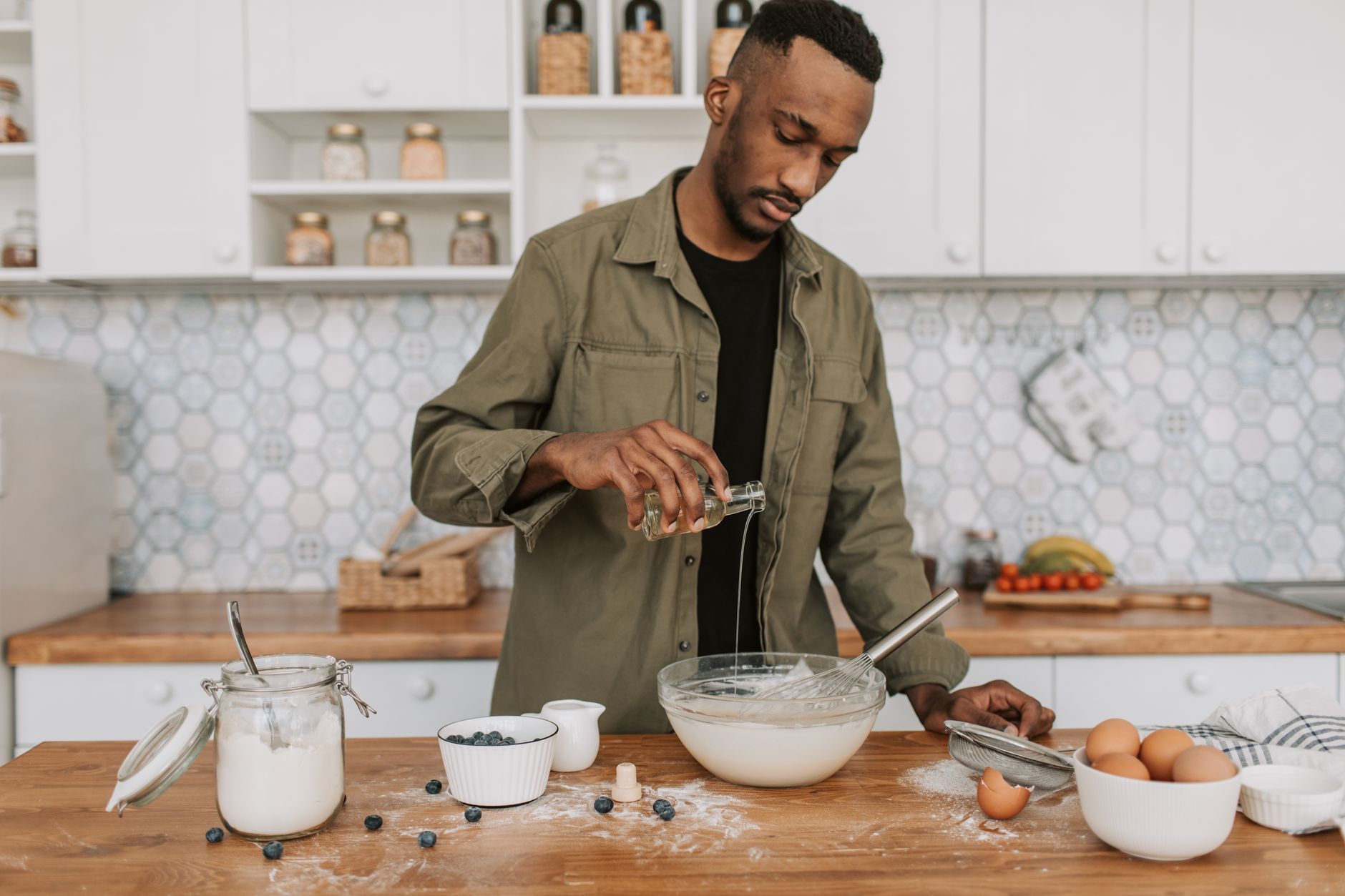
Photo by Vlada Karpovich via Pexels.
Corn syrup is a sweet, viscous syrup made from corn starch that has been processed into glucose-based sugars. It is not the same as plain sugar dissolved in water; it has a thicker body and behaves differently in recipes.
That is why cooks use it as a sweetener, a thickener, and a helper ingredient that can prevent crystallization in candy and sauces. You will find it in both home baking and packaged foods, especially where a smooth texture matters.
In other words, corn syrup is valued as much for how it works as for how it tastes.
If you want to compare corn syrup with another popular liquid sweetener, read corn syrup vs maple syrup.
How Corn Syrup Is Made From Starch
The starting material is corn starch, which is made up of long chains of glucose molecules. During processing, enzymes or acid are used to break those chains apart in a controlled way.
As the starch is converted, the mixture becomes sweeter, more fluid, and easier to use as a syrup. The result is a family of syrups that can vary in thickness and sweetness depending on how far the starch has been broken down.
That difference matters because it affects how the syrup pours, how it blends, and how it performs in a recipe.
For a related look at how maple sap becomes syrup, read what maple syrup is and how it is made.
From Corn Starch to Glucose Syrup
Think of the process as a gradual dismantling: the starch of corn is treated so the long starch chains break into smaller pieces. Once enough of the starch has been split, the liquid becomes a glucose-rich syrup.
When made from corn, this type of syrup can be described as corn syrup or glucose syrup. The practical outcome is a syrup that behaves predictably in foods, especially when a recipe needs smoothness rather than a strong flavour.
Why Processing Changes the Final Syrup
More hydrolysis means more of the starch has been broken down, which usually changes sweetness, thickness, and how the syrup behaves under heat.
A syrup with more breakdown can taste sweeter and feel less heavy, while one with less breakdown may be thicker and less sweet. Food makers sometimes describe this with dextrose equivalent, a measure that helps indicate how much of the starch has been converted.
For most home cooks, the important point is simpler: processing level affects whether the syrup is mild, dense, or especially useful for certain textures.
Light Corn Syrup, Dark Corn Syrup, and HFCS
On store shelves, the two most familiar versions are light corn syrup and dark corn syrup. Light corn syrup is usually milder in colour and flavour, so it blends into recipes without adding much taste of its own.
Dark corn syrup has a deeper colour and a richer flavour, often from added ingredients such as molasses or flavouring.
High-fructose corn syrup is different again. It is made by further converting some glucose to fructose. You will see these syrups in the baking aisle, in packaged desserts, and in processed foods, but they are not interchangeable in every recipe.
Light Corn Syrup and Dark Corn Syrup
Light corn syrup is the version most cooks reach for when they want sweetness and structure without changing the flavour profile very much.
Dark corn syrup brings more colour and a stronger taste, which can suit baked beans, pecan pie, or recipes that welcome a deeper note. In some products, the darker version may also include molasses or similar flavour ingredients.
The choice often comes down to whether the recipe needs a neutral syrup or one that contributes a more noticeable character.
How High-Fructose Corn Syrup Differs
High-fructose corn syrup, or HFCS, starts as corn-based syrup but goes through an extra step that converts some glucose molecules into fructose.
That change affects sweetness and how it is used by manufacturers. The main takeaway is that HFCS is a different processed sweetener, not simply another name for regular corn syrup.
For a shopper or home cook, the key difference is usually formulation and application rather than anything you would notice in a basic baking substitution.
How Corn Syrup Works in Cooking and Baking

Photo by Tamanna Rumee via Pexels.
Corn syrup is prized because it does several jobs at once. In candy and caramel, it helps prevent crystallization, which keeps the mixture smooth instead of gritty.
In pies, sauces, and glazes, it adds body and a glossy finish. In baked goods, it can improve chewiness and help hold moisture so desserts stay tender longer.
It is especially useful in recipes that need to remain sliceable or pourable after chilling, such as fillings and fudge. That combination of texture control and moisture retention is why many bakers keep it on hand.
Preventing Crystallization and Graininess
When sugar dissolves and then cools, it can sometimes form crystals again. Corn syrup helps interrupt that process, so sugar mixtures stay smoother.
This is why it appears in candy, caramel sauces, glossy coatings, and other recipes where a grainy texture would be a problem. Even a small amount can make a noticeable difference in keeping the final result stable and polished.
Texture, Body, and Moisture Retention
Because corn syrup is thick, it can add softness and a pleasant chew to baked goods. It also contributes body to fillings and toppings, helping them set in a way that is firm but not dry.
In chilled desserts, that means a pie filling may stay neat when sliced, and a sauce may still pour smoothly after refrigeration. The effect is subtle, but it is often exactly what a recipe needs.
How to Use Corn Syrup in a Recipe
Use corn syrup when a recipe needs more than sweetness. It is especially useful for smooth candy, glossy sauces, chewy baked goods, and fillings that need to stay stable after cooling.
You can also use the Maplelixir online recipe finder to explore recipe ideas and ingredient combinations.
Step 1: Identify What the Syrup Needs to Do
Read the recipe before choosing an ingredient. If corn syrup is included in candy, caramel, fudge, marshmallows, or glaze, it is often there to help with texture and crystallization control.
If it is used only in a sauce or dressing, a substitute may work more easily.
Step 2: Choose Light or Dark Corn Syrup
Choose light corn syrup when you want a pale color and mild flavor.
Choose dark corn syrup when the recipe can use a darker color and a deeper flavor. Pecan pie, baked beans, barbecue sauces, and darker glazes are common uses.
Step 3: Measure It Accurately
Use a measuring spoon or cup. For easier pouring, lightly coat the measuring tool with a neutral cooking oil or spray before adding corn syrup.
This helps the thick syrup release more cleanly.
Step 4: Follow the Recipe Timing
Add corn syrup at the stage listed in the recipe. In candy recipes, corn syrup is often mixed with sugar and liquid before heating.
Avoid changing the order of ingredients when making caramel, candy, fudge, or other temperature-sensitive recipes.
Step 5: Avoid Unplanned Swaps in Candy Recipes
Do not assume maple syrup, honey, agave syrup, or brown rice syrup will give the same result in candy or caramel.
These syrups have different water content, sweetness, flavor, and setting behavior. A substitution may work in cookies or sauces but fail in a recipe that needs precise crystallization control.
Step 6: Test a Small Batch When Substituting
If you want to replace corn syrup, test a half batch first. Check the finished texture after the recipe cools completely.
This is the best way to see whether the substitute gives the smoothness, gloss, and set you want.
Common Recipes and Pantry Uses
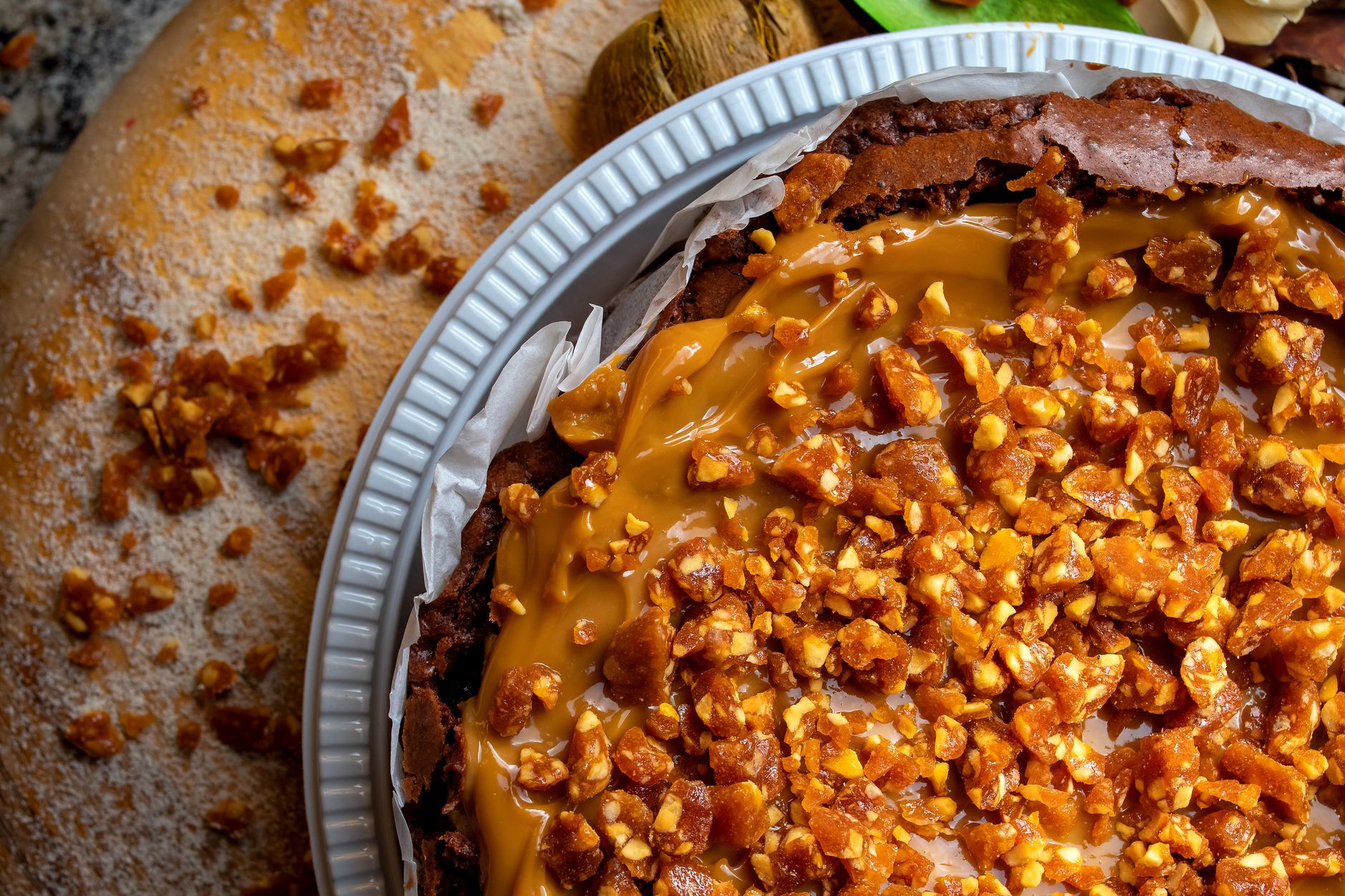
Photo by Hiure Gomes Fernandes via Pexels.
Home cooks most often use corn syrup in pecan pie, hot fudge, cookies, marshmallows, jams, and ice cream recipes.
It also shows up in commercial table syrups and other packaged sweets where smooth texture matters. In practice, it is the ingredient people reach for when they want sweetness plus reliable consistency.
If a recipe has a glossy finish, a chewy centre, or a filling that must stay smooth, corn syrup is a likely part of the formula.
What to Know Before Substituting It
Substitutions can work in some baked goods, but they are less dependable in candy, caramel, and other recipes where crystallization control matters.
Another syrup may taste fine yet change the texture, thickness, or setting behaviour. Some alternatives will also be sweeter or less neutral in flavour.
The safest approach is to match the substitute to the recipe’s purpose, especially when the syrup is doing more than just adding sweetness.
For more information about comparing sweeteners, read brown rice syrup vs maple syrup.
Choosing the Right Syrup for the Recipe
If you are deciding whether to use corn syrup, start with the job the recipe needs done.
For smoothness, gloss, and stability, it is often a strong choice. For a deeper flavour, dark corn syrup may fit better. For commercial-style sweetness, HFCS is a separate ingredient with a different manufacturing step.
Knowing which syrup is in front of you makes it easier to choose the right one and avoid surprises in the final texture.
When comparing other sweeteners, you can also read about maple syrup vs coconut sugar and maple sugar vs maple syrup.
How Corn Syrup Supports a Smooth Pecan Pie Filling
Corn syrup is often used in a pecan pie filling because it helps create a smooth, glossy texture that sets neatly after baking. It is made from cornstarch, which is processed in a way that breaks down the starch into smaller sugar chains.
This structure helps keep dissolved sugar from crystallizing as the filling heats and cools. The result is a filling that is less likely to become gritty or sandy.
Corn syrup also appears in some commercial table syrup products, where its mild flavor and thick texture help create a pourable consistency. In pecan pie, however, its main role is less about flavor and more about texture, shine, and a stable finished filling.
Frequently Asked Questions
Health & Nutrition
Is corn syrup healthier than sugar?
Corn syrup and regular sugar are different ingredients with different textures and uses. Corn syrup is often selected for its effect on texture and crystallization, while sugar is usually selected for sweetness, structure, and browning.
Whether one is a better choice depends on the recipe and the serving size.
Is corn syrup the same as high fructose corn syrup?
No. Regular corn syrup is mainly a glucose-based syrup made from corn starch. High-fructose corn syrup, or HFCS, goes through an additional processing step that converts some glucose into fructose.
They are related products, but they have different sugar compositions and are not automatically interchangeable.
For a comparison of agave and maple syrup, read maple syrup vs agave syrup.
What exactly is corn syrup made of?
Corn syrup is made from corn starch that has been broken down into smaller sugars, mainly glucose-based sugars such as glucose, maltose, and other short sugar chains.
The result is a sweet, viscous syrup that pours easily and behaves differently from table sugar in recipes.
Baking & Substitutions
What is the best replacement for corn syrup?
The best replacement depends on what the corn syrup is doing in the recipe. For candy and caramel, glucose syrup or golden syrup may be closer in function than a strongly flavored syrup.
For sauces or baked goods, honey, maple syrup, agave syrup, or brown rice syrup may work, but they can change flavor, color, thickness, and setting behaviour.
What can I use instead of corn syrup in a recipe?
Possible substitutes include:
- Golden syrup
- Glucose syrup
- Honey
- Maple syrup
- Agave syrup
- Brown rice syrup
- Light molasses, for darker recipes
The best option depends on what the corn syrup is doing. A substitute may provide sweetness but not the same crystallization control, thickness, color, or flavor.
For candy and caramel, glucose syrup or golden syrup may be closer in function than a strongly flavored syrup.
Can I substitute maple syrup or honey for corn syrup?
Yes, maple syrup or honey can work in some sauces, baked goods, dressings, and dessert recipes. Both will change the flavor and may also change the color, water content, and thickness.
They are less predictable in candy, caramel, and recipes that depend on precise crystallization control. Test a small batch first and check the finished texture after cooling.
For more information about using honey in place of maple syrup, read using honey instead of maple syrup.
For a comparison of agave and maple syrup, see is agave syrup the same as maple syrup?.
What is the difference between light and dark corn syrup?
Light corn syrup has a pale color and mild flavor. Dark corn syrup has a deeper color and a stronger flavor, often from added molasses or other flavoring ingredients.
Use light corn syrup when you want sweetness and texture with little flavor change. Use dark corn syrup when you want a richer taste and darker color.
Why do recipes call for corn syrup?
Recipes call for corn syrup because it can add sweetness while also helping control texture. It can reduce crystallization, improve gloss, add body, and help baked goods stay soft and chewy.
This is especially useful in candy, caramel, pecan pie, marshmallows, fudge, sauces, and glazes.
Ingredients & Identification
What is another name for corn syrup on food labels?
Depending on the country and the product, corn syrup may appear as:
- Corn syrup
- Glucose syrup
- Corn glucose syrup
- Glucose-fructose syrup
- High-fructose corn syrup
- HFCS
These terms do not all mean exactly the same thing. Glucose syrup can be made from different starch sources, while HFCS has a different glucose-to-fructose composition.
Always read the full ingredient list rather than relying on one general term.
Is corn syrup considered an added sugar?
When corn syrup is added to a packaged food, it is generally treated as an added sweetener. It contributes sweetness and carbohydrate to the product.
The exact wording on nutrition labels can vary by country. Check the ingredient list and the added-sugar information on the product’s nutrition panel where available.
How do you know if a product contains corn syrup?
Read the ingredient list on the package. Look for terms such as:
- Corn syrup
- High-fructose corn syrup
- Glucose syrup
- Corn glucose syrup
- Glucose-fructose syrup
- HFCS
Ingredients are generally listed in descending order by weight, so the position of the ingredient can provide additional information about the product formula.
Final Takeaway
Corn syrup is a practical liquid sweetener that does more than add sweetness. It can help prevent crystallization, improve gloss, add body, and create a smoother texture in candy, baking, sauces, fillings, and glazes.
Regular corn syrup and high-fructose corn syrup are related but different products. Light and dark corn syrup also serve different purposes, mainly because of their color and flavor.
When choosing a substitute, consider the recipe’s main requirement. A syrup that works well in a sauce may not behave the same way in candy or caramel. Measure carefully, test substitutions in small batches, and choose the type that matches the desired flavor and texture.