

Falernum Ingredients: What’s Inside, How to Choose It, and an Easy Recipe
Falernum ingredients usually include sugar, lime, ginger, and warm spices such as cloves. Some versions also contain almonds, allspice, or rum.
That last ingredient matters. Falernum comes in both syrup and liqueur forms, so not every bottle is alcohol-free.
This guide explains what each ingredient adds, how to read a label, and how to make a simple alcohol-free falernum syrup at home. You will also find substitutions, storage tips, and an easy lime fizz recipe.
1. Key Takeaways About Falernum Ingredients
- Falernum combines sweetness, citrus, and spice. Lime, ginger, and cloves create its familiar flavour.
- Recipes vary. Almonds, allspice, nutmeg, and other flavourings may appear.
- Falernum syrup and falernum liqueur are different products. Check the alcohol content before buying.
- Almond is not universal. Read ingredient and allergen statements rather than assuming a product is nut-free.
- Homemade falernum does not need rum. You can make a water-based infusion with sugar, lime zest, ginger, and cloves.
- Start with a small amount in drinks. Strong spices can quickly overpower other ingredients.
- Homemade syrup needs refrigeration. The recipe below is not shelf-stable.
Quick How-To: Make Alcohol-Free Falernum Syrup
Gently simmer 200 mL water, 150 g granulated sugar, 15 g sliced ginger, the zest of 2 limes, and 4 whole cloves for 3 minutes. Remove from the heat, cover, and steep for 15 minutes.
Strain into a heat-safe measuring jug. Add enough freshly boiled water to bring the finished volume to 300 mL. Cool promptly, transfer to a clean container, and refrigerate.
This simplified version contains no added alcohol or almonds. The full method appears below.
2. How to Check Falernum Ingredients Before You Buy

Photo by Sou Jest on Unsplash. Photos throughout this post offer ingredient and serving inspiration rather than showing the exact recipes.
The front label may say “falernum,” “velvet falernum,” or “tropical cocktail syrup.” Those names alone do not tell you everything you need to know.
Check these details before choosing a bottle:
| Label detail | What to look for |
|---|---|
| Product type | Syrup, mixer, or liqueur |
| Alcohol content | An ABV statement and any alcohol-containing ingredients |
| Sweetener | Sugar, cane sugar, brown sugar, or other syrups |
| Citrus | Lime juice, lime zest, lime oil, or flavouring |
| Spices | Ginger, cloves, allspice, or other aromatics |
| Allergens | Almonds, other nuts, and cross-contact warnings |
| Storage | Refrigeration instructions and guidance after opening |
Check Alcohol Content Carefully
A falernum liqueur contains alcohol. A syrup may be formulated without it, but you should still read the label.
If strict alcohol avoidance is important, confirm that the product meets your needs. Do not assume “non-alcoholic” always means 0.0% ABV.
Flavour extracts and bitters can also contain alcohol, even when you use only a small amount.
Check Almond and Other Allergen Information
Some falernum recipes include almonds or almond flavouring. Others do not.
For example, some Chefs describe a flavour profile that includes lime, ginger, almond, and baking spices.
Always check the current packaging. If an allergy is involved, contact the manufacturer when the ingredient source or cross-contact risk is unclear.
3. What Is Falernum, and How Do the Ingredients Work Together?
Falernum is a sweet, spiced mixing ingredient closely associated with Barbados and Caribbean drinks.
It adds several flavours at once:
- Sugar softens sharp citrus and carries the spice.
- Lime brings a fresh citrus aroma.
- Ginger adds warmth and a little heat.
- Cloves provide a strong, fragrant spice note.
- Almond, when included, adds a nutty flavour.
- Rum, in alcoholic versions, contributes alcohol and additional flavour.
For more background, read our guide to Barbados falernum, its origins, flavour, and cocktail uses.
Falernum Syrup vs Falernum Liqueur
| Feature | Falernum syrup | Falernum liqueur |
|---|---|---|
| Base | Usually water and sweetener | An alcoholic base, often rum |
| Alcohol | Check the specific product | Contains alcohol |
| Main role | Adds sweetness, citrus, and spice | Adds sweetness, citrus, spice, and alcohol |
| Suitable for alcohol-free drinks? | Only when the ingredients meet your requirements | No |
| Storage | Follow the bottle instructions | Follow the bottle instructions |
These products are not always direct substitutes. Changing from liqueur to syrup can alter a drink’s sweetness, strength, and balance.
Falernum’s Name, Historical Descriptions, and the Old Punch Formula
Older descriptions of falernum reveal a different picture from today’s cocktail syrups. An 1892 passage in All the Year Round called it “a curious liqueur composed from rum and lime-juice.” This offers a glimpse of how writers understood the drink at the time, not a complete recipe.
The name: history or folklore?
Falernum shares its name with an ancient Roman wine, better known in English as Falernian wine. That resemblance does not prove that the Caribbean drink descended from the Roman wine.
Another story links the name to the phrase “haf a learn um,” loosely explained as “you have to learn how it’s done.” According to the tale, someone mistook an answer about learning the recipe for the drink’s name.
The old sour, sweet, strong, and weak formula
Some early accounts describe falernum as a punch-like drink. A familiar formula helps explain that style:
| Traditional phrase | Meaning |
|---|---|
| one of sour | One part citrus juice |
| two of sweet | Two parts sugar or a specified sweet component |
| three of strong | Three parts rum |
| four of weak | Four parts water |
Research documents this pattern in an 1866 account. It is historical context, not a mixing ratio for the concentrated syrup in this post. Old references to sugar also should not be read as equal measures of any modern bottled syrup.
Reading historical almond references carefully
An 1896 description mentions bitter almonds. That wording should not be silently replaced with modern terms such as almond extract or almond essence, which describe different commercial flavouring products. Raw bitter almonds can release cyanide and should not be used to recreate an old recipe.
Early ingredient lists also do not consistently mention clove, ginger, or the broader spice blends familiar today. The useful lesson is that falernum has changed over time, rather than following one fixed recipe across every period and producer.
4. Simple Ingredients for Homemade Falernum

Photo by Kaboompics on Pexels.
This homemade recipe uses a short ingredient list. It is a simplified falernum-style syrup rather than a copy of any commercial brand.
Lime Zest
Lime zest provides citrus aroma without adding as much acidity as lime juice.
Wash and scrub the limes before zesting. Remove the thin green layer and avoid the white pith underneath, which can taste bitter.
Fresh lime juice goes into the finished drink later. This gives you more control over the final balance.
Fresh Ginger
Fresh ginger adds warmth and a mild bite.
Slice it thinly so more surface area touches the water. You can peel it first if preferred. Either way, wash it well.
Whole Cloves
Cloves are powerful. Four whole cloves are enough for this small batch.
Using more cloves or steeping them too long can make the syrup taste harsh. Start gently, then adjust a later batch if needed.
Granulated Sugar and Water
Granulated sugar gives the recipe a neutral base. It lets the lime and spices stand out.
Some syrup recipes use corn syrup to help manage texture and crystallization. This recipe does not require it. Our guide to what corn syrup is and how it works in recipes explains its different kitchen uses.
Optional Maple Flavour
Pure maple syrup can add a different flavour, but it will change the recipe’s sweetness, water content, and colour.
If you want to understand the ingredient before experimenting, read what maple syrup is and how it is made.
Maplelixir is a separate beehive product, not pure maple syrup. You can try a small amount in a finished drink for a different flavour, as explained below.
5. How to Make Falernum Syrup: Step-by-Step Recipe
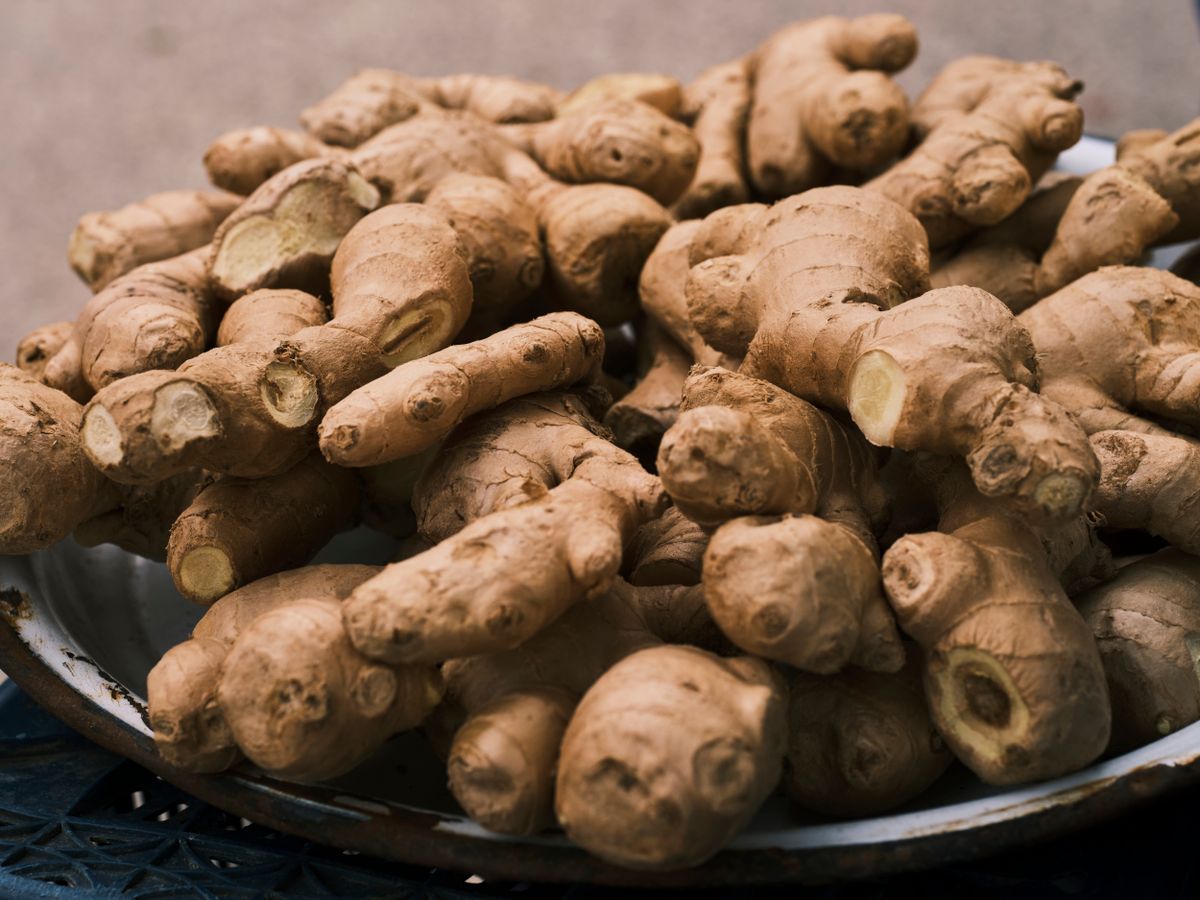
Photo by Engin Akyurt on Pexels.
Alcohol-Free Falernum Syrup Recipe Card
| Recipe detail | Amount or time |
|---|---|
| Yield | 300 mL |
| Serving size | 15 mL, or 1 tablespoon |
| Servings | 20 |
| Preparation time | About 10 minutes |
| Simmering time | 3 minutes |
| Steeping time | 15 minutes |
| Total time | About 30 minutes, plus cooling |
| Alcohol | No added alcohol |
| Almonds | None added |
Equipment: Small saucepan, vegetable peeler or zester, measuring jug, fine-mesh strainer, spoon, and a clean storage container.
Ingredients
- 200 mL water
- 150 g granulated sugar
- 15 g fresh ginger, washed and thinly sliced
- Zest of 2 medium limes, green part only
- 4 whole cloves
- Freshly boiled water, as needed to bring the strained syrup to 300 mL
Method
- Prepare the ingredients. Wash the limes and ginger. Remove the lime zest without taking much white pith. Slice the ginger thinly.
- Dissolve the sugar. Put 200 mL water and the sugar in a small saucepan. Warm over medium-low heat, stirring until the sugar dissolves.
- Add the flavourings. Stir in the lime zest, ginger, and whole cloves.
- Simmer gently. Bring to a gentle simmer and cook for 3 minutes. Avoid a hard boil.
- Steep off the heat. Remove the saucepan from the heat. Cover and leave for 15 minutes.
- Strain. Pour through a fine-mesh strainer into a heat-safe measuring jug. Do not force the solids through the strainer.
- Set the final volume. Add enough freshly boiled water to reach 300 mL. Stir well.
- Cool and refrigerate. Cool promptly, using an ice-water bath if helpful. Transfer to a clean container and refrigerate within 2 hours.
Label the container with the date. Storage guidance appears in Section 9.
Estimated Nutrition per 15 mL Serving
| Nutrient | Estimated amount |
|---|---|
| Calories | 29 kcal |
| Carbohydrates | 7.5 g |
| Total sugars | 7.5 g |
| Protein | 0 g |
| Fat | 0 g |
These are estimates, not laboratory results. They assume a final yield of 300 mL and count the granulated sugar. Small amounts extracted from the strained lime zest, ginger, and cloves are not included. Substitutions will change the values.
6. Common Falernum Mistakes and How to Fix Them
| Problem | Likely cause | What to do |
|---|---|---|
| Bitter flavour | Too much white lime pith or a long steep | Use only the green zest and follow the steeping time |
| Harsh clove flavour | Too many cloves or too much extraction | Use less syrup per drink; reduce cloves in the next batch |
| Weak flavour | Thick ginger slices or too little zest | Slice ginger thinly and measure ingredients consistently |
| Syrup is too thick | Too much water evaporated | Bring the strained batch to the stated final volume |
| Drink is too sweet | Too much syrup for the other ingredients | Reduce the syrup or add more unsweetened mixer |
| Drink tastes flat | Too little acidity or dilution | Add a small squeeze of lime or more sparkling water |
Taste the Syrup in a Drink
Concentrated syrup can taste much stronger on its own than it does over ice.
Before changing the whole batch, mix:
- 5 mL falernum syrup
- 50 mL cold sparkling water
- A small squeeze of lime
Taste, then decide whether the next batch needs more ginger, less clove, or a different steeping time.
Do not add water to the full storage batch just to make it drinkable. Dilute individual servings instead.
7. Falernum Substitutes and Ways to Customize the Ingredients

Photo by alleksana on Pexels. Serving inspiration only; the drinks shown are not the recipes in this post.
There is no perfect substitute for falernum because it combines sweetness, citrus, and spice.
The best replacement depends on which of those flavours your drink needs.
For a Quick Falernum-Style Substitute
For one drink, try:
- 10 mL plain simple syrup
- 5 mL strained ginger juice or an alcohol-free ginger syrup
- A small strip of lime zest, expressed over the glass and then removed
If you use sweetened ginger syrup, start with less simple syrup.
This gives you some sweetness, lime aroma, and ginger warmth. It will not reproduce the full clove flavour of falernum.
For More Ginger Heat
Increase the ginger from 15 g to 20 g in the next batch.
Change one ingredient at a time so you can judge the result.
For a Softer Spice Profile
Use 2 whole cloves instead of 4.
This variation works well when you want the lime and fruit juice to remain the main flavours.
For an Allspice Variation
Add 1 lightly crushed allspice berry during the infusion.
Keep the first batch mild. Allspice and cloves can become strong when used together.
For a Maple Twist
Rather than changing the entire syrup recipe, adjust one finished drink.
Start with:
- 10 mL homemade falernum syrup
- 2 to 5 mL pure maple syrup
- Your chosen citrus and mixer
Taste before adding more sweetener.
Choose the bottle carefully. Pure maple syrup and maple-flavoured pancake syrup can have different ingredient lists and flavours. Our maple syrup vs pancake syrup comparison explains the distinction.
For a Maplelixir Variation
Try 2 to 5 mL Maplelixir maple elixir in a finished drink, reducing the falernum syrup slightly to balance the sweetness.
Stir it into the still ingredients before adding ice and sparkling water. If needed, loosen it with a small splash of warm water first.
Maplelixir is a beehive product and should not be served to children under one year old.
8. Falernum Nutrition: What to Keep in Mind
Falernum syrup is primarily a sweetener and flavouring.
Lime, ginger, and spices add aroma, but their presence does not turn a sugary syrup into a health product. Straining also removes most of the solid ingredients.
Measure Your Serving
A measured 15 mL serving of the homemade syrup contains about 7.5 g of sugar.
The total sugar in a drink increases when you add ingredients such as:
- Sweetened pineapple juice
- Ginger beer
- Lemonade
- Cream of coconut
- Additional syrups or sweeteners
For a less sweet drink, start with 5 to 10 mL falernum and use unsweetened sparkling water.
Different Sweeteners Still Add Sugar
Switching to maple syrup or agave changes the flavour and composition. It does not make the syrup sugar-free.
Our maple syrup vs agave syrup comparison covers differences between these liquid sweeteners. Both count as added sugar when used to sweeten a recipe.
Choose based on the flavour you want, measure the amount, and adjust the full drink rather than judging one ingredient in isolation.
9. How to Store Homemade Falernum Syrup
This water-based recipe is not shelf-stable. It has not been tested for canning or long-term storage.
Refrigerate Promptly
- Use a clean, food-safe container with a lid.
- Refrigerate at 4°C or colder.
- Mark the preparation date.
- Keep the container closed between uses.
- Pour out servings rather than dipping used spoons into the syrup.
As conservative household guidance, make a small batch and use it within 3 to 4 days. This is not a validated shelf-life claim, and safe handling still matters.
Discard the syrup if you notice mould, unexpected cloudiness, fermentation, gas, or an unusual smell. Do not taste it to check whether it is safe. Spoilage signs are not a reliable way to rule out all food-safety risks.
Freeze Small Portions
If you will not use the batch soon, freeze measured portions in a suitable covered tray.
Sugar can keep syrup from freezing completely solid. Once frozen or firm enough to handle, transfer portions to a freezer-safe container.
Thaw in the refrigerator and use promptly. Do not use freezing to rescue syrup that has already been stored too long.
Follow Commercial Bottle Instructions
A store-bought product may have a different sugar level, acidity, alcohol content, or preservative system.
Follow its own storage instructions rather than applying homemade guidance to every bottle.
10. What to Make With Falernum and Lessons to Keep in Mind
Falernum works best when its lime and spice notes support the rest of the recipe.
Try a small measured amount in:
- Sparkling water with fresh lime
- Pineapple juice diluted with soda water
- Chilled black tea or rooibos tea
- An alcohol-free tropical punch
- A fruit salad dressing with citrus
- Plain yogurt, if you enjoy a sweet, spiced topping
Start with 5 mL for a small serving, then adjust.
Find More Recipe Ideas
You can use our dedicated, chef-built online recipe finder to search for ideas using ingredients such as pineapple, lime, ginger, or oats.
Review each recipe’s ingredients and method before making substitutions. A sweetener that works in a cold drink may behave differently in baking.
Choose the Right Syrup for the Dish
Falernum is citrusy and spiced. It is not a neutral replacement for every sweet topping.
If you want a buttery breakfast topping rather than a cocktail ingredient, try our homemade pancake syrup recipe.
Useful Lessons for Your Next Batch
- Write down changes. Record the ginger weight, clove count, and steeping time.
- Adjust one ingredient at a time. This makes the results easier to compare.
- Check the finished volume. Evaporation affects sweetness and serving estimates.
- Taste with the intended mixer. Pineapple juice, tea, and soda water each change the balance.
- Keep batches small. Fresh homemade syrup is easier to manage when you make only what you need.
Find Your Ideal Falernum Measure With a Three-Glass Taste Test
Different non-alcoholic falernum syrups vary in strength. A simple side-by-side test helps you find the right amount for your favourite mixer without committing to a full drink.
Set out three small glasses. Add 60 mL of the same chilled, unsweetened mixer to each, then follow this guide:
| Glass | Falernum syrup | What to notice |
|---|---|---|
| A | None | The mixer’s original flavour |
| B | 2.5 mL | Whether a small dose adds enough character |
| C | 5 mL | Whether extra flavour improves or overwhelms the mixer |
Taste from A to C. Keep the temperature and mixer quantities consistent. Skip ice during the comparison so melting does not change the results.
Test the flavour in context. If your finished drink is made with lime juice, add the same small measure to all three glasses. Leave out any orgeat syrup during this first round, then introduce it after choosing your preferred falernum measure. This keeps the comparison focused on one change.
For a cocktail normally built around a rum base, repeat the test with your chosen alcohol-free replacement. A measure that works in sparkling water may taste different in a fuller-flavoured mixer.
Write one short tasting note for each sample. For example: “ginger, lime, gentle sweetness, long spice finish.” Record which flavour appears first and which remains after swallowing.
Choose the smallest measure that gives you the flavour you enjoy. You now have a practical starting point for that particular syrup and mixer, rather than a rule you must apply to every drink.
11. Bonus How-To: Make an Alcohol-Free Falernum Lime Fizz
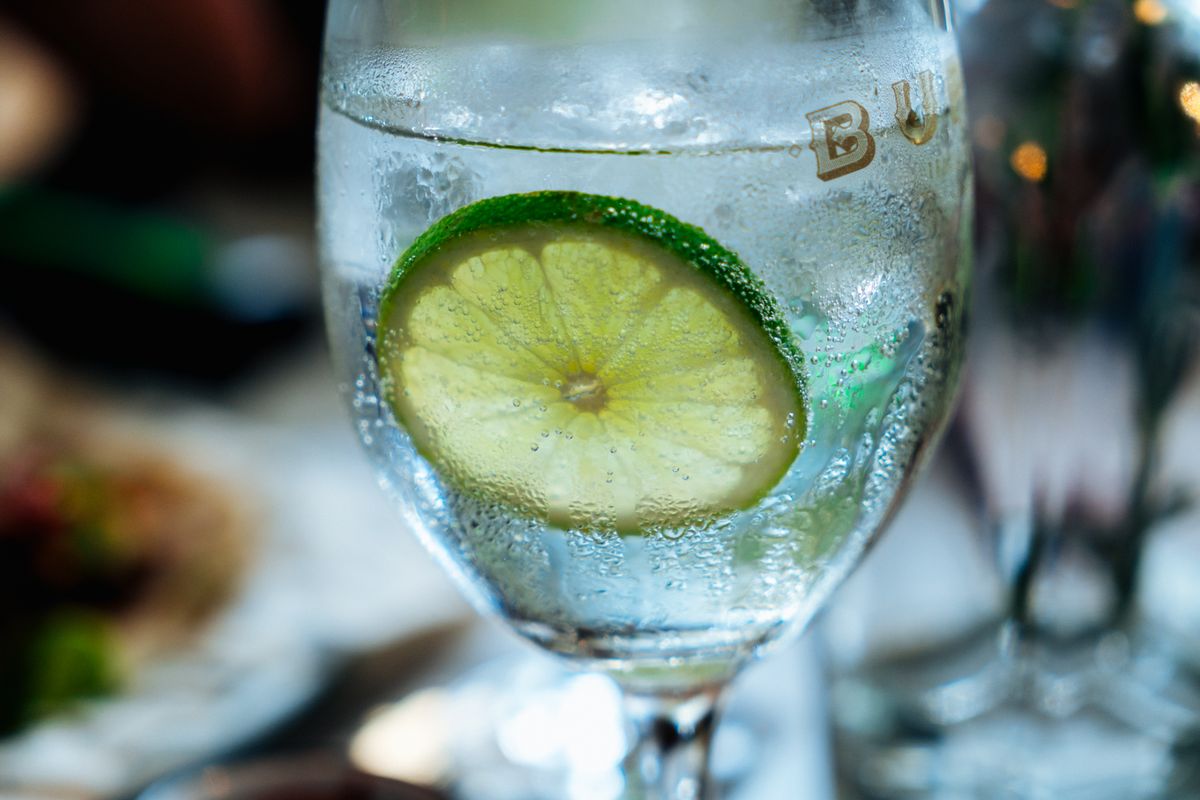
Photo by Dan Gold on Pexels.
This simple drink lets you taste the lime, ginger, and clove without adding several other sweet ingredients.
Falernum Lime Fizz Recipe Card
| Recipe detail | Amount or time |
|---|---|
| Yield | 1 drink |
| Preparation time | About 5 minutes |
| Cooking time | None, using prepared syrup |
| Equipment | Glass, measuring spoon or jigger, stirring spoon |
| Alcohol | No added alcohol when made with the syrup above |
Ingredients
- 15 mL homemade alcohol-free falernum syrup
- 15 mL freshly squeezed lime juice
- 150 mL chilled, unsweetened sparkling water
- Ice, enough to fill the glass
- 1 lime wheel, optional
- 1 small mint sprig, optional
Method
- Combine the still ingredients. Add the falernum syrup and lime juice to a glass.
- Stir. Mix until evenly combined.
- Add ice. Fill the glass with fresh ice.
- Top with sparkling water. Pour slowly to keep the bubbles.
- Stir gently. Give the drink one or two light stirs.
- Taste and serve. Garnish with lime or mint if desired.
Do not shake sparkling water in a sealed container.
Estimated Nutrition per Drink
| Nutrient | Estimated amount |
|---|---|
| Calories | 33 kcal |
| Carbohydrates | 8.8 g |
| Total sugars | 7.7 g |
| Protein | 0.1 g |
| Fat | 0 g |
Estimates use one 15 mL serving of the homemade syrup and approximately 15 g of raw lime juice. Unsweetened sparkling water contributes no calories. Garnishes and small amounts extracted from the strained aromatics are excluded.
Easy Variations
- Less sweet: Use 10 mL falernum syrup.
- More citrus: Add another 5 mL lime juice.
- Pineapple version: Replace 30 mL sparkling water with unsweetened pineapple juice.
- Tea version: Replace 50 mL sparkling water with chilled rooibos tea.
Each variation changes the nutrition estimate.
For more tropical serving ideas, explore our non-alcoholic tiki drink recipes for easy home mixing.
12. Frequently Asked Questions About Falernum Ingredients
What are the main ingredients in falernum?
Common falernum ingredients include sugar, lime, ginger, and cloves. Some recipes also contain almonds, allspice, nutmeg, or rum.
There is no single ingredient list used by every producer.
Does falernum contain alcohol?
Some versions do. Falernum liqueur contains alcohol, while some falernum syrups are made without it.
Read the ABV statement and ingredient list. Confirm with the manufacturer if strict alcohol avoidance is important.
Does falernum always contain almonds?
No. Almond is common in some versions but absent from others.
If you have a nut allergy, check the ingredient list, allergen information, and cross-contact guidance. Do not rely only on the product name.
Is falernum the same as orgeat?
No. Orgeat is usually an almond-flavoured syrup. Falernum is generally more focused on lime, ginger, and warm spices.
They can add different flavours and sweetness levels to a drink.
Can I use lime juice instead of lime zest?
Not as a direct replacement in this recipe.
Zest supplies citrus oils and aroma. Juice adds acidity and water. Use the zest for the syrup, then add fresh juice when mixing the drink.
Can I make falernum without cloves?
Yes, but the flavour will change.
You can leave out the cloves for a milder lime-and-ginger syrup. Keep the same basic method and adjust individual drinks to taste.
Can I replace all the sugar with maple syrup?
You can develop a maple-based version, but it is not a direct gram-for-gram swap.
Maple syrup already contains water. Replacing the sugar changes the concentration, flavour, finished yield, and nutrition. Start with a small test batch rather than changing the full recipe without adjustment.
Is homemade falernum suitable for canning?
This recipe is not tested for canning or room-temperature storage.
Refrigerate it promptly and follow the short-term storage guidance above. Do not treat the lime zest as proof that the syrup has enough acidity for preservation.
Can falernum be used outside cocktails?
Yes. Small amounts can flavour sparkling water, tea, fruit dressings, and some desserts.
Its clove and ginger notes are strong, so begin with a little.
What is the easiest way to use falernum?
Mix 15 mL alcohol-free falernum syrup with 15 mL lime juice and 150 mL sparkling water over ice.
Taste and adjust. This simple combination makes it easy to understand how the ingredients work together.