

Barbados Falernum: What It Is, How It Tastes, and How to Use It in Cocktails
Falernum is one of those cocktail ingredients people notice only after a drink suddenly tastes brighter, spicier, and more complete. In its Barbados form, it is usually understood as a sweet, lime-forward syrup or a low-proof liqueur that adds depth to rum drinks without taking over.
That balance is why bartenders and home mixers keep reaching for it. If you have seen the label velvet falernum, you have already met the style most associated with smooth texture, gentle spice, and the kind of flavor that can quietly reshape a whole cocktail.
Key Takeaways
- Barbados falernum is a Caribbean cocktail ingredient known for its balance of lime, sweetness, rum, and warm spice.
- Falernum may be sold as a syrup, a non-alcoholic mixer, or a low-proof liqueur.
- Classic falernum flavors often include lime, clove, ginger, almond, nutmeg, and sometimes allspice.
- Velvet falernum usually refers to a smoother, softer style of falernum rather than a separate ingredient category.
- Barbados is falernum’s strongest cultural and historical home.
- Falernum is often used in rum cocktails, tropical drinks, punches, and tiki-style recipes.
- It works as a cocktail modifier, adding sweetness, spice, citrus lift, and texture without becoming the main flavor.
- A low-proof falernum can add aroma and body, while a syrupy version contributes more direct sweetness and texture.
- Barbados-style falernum is usually gentler and more integrated than modern versions with a stronger spice profile.
- Check the label before using falernum in a recipe because syrup, liqueur, and high-proof versions are not always interchangeable.
Barbados Falernum Fact Sheet
| Feature | Barbados Falernum Details |
|---|---|
| Ingredient type | Cocktail modifier, syrup, or low-proof liqueur |
| Historical home | Barbados and the wider Caribbean cocktail tradition |
| Main purpose | Adds sweetness, lime character, spice, aroma, and texture to cocktails |
| Common base ingredients | Rum, lime, sugar, and aromatic spices |
| Typical flavor profile | Bright lime, gentle sweetness, clove, ginger, almond, nutmeg, and sometimes allspice |
| Main spirit pairing | Rum, including light rum, aged rum, dark rum, and aromatic rum styles |
| Other compatible ingredients | Lime juice, bitters, orange liqueur, tropical fruit juices, coconut, pineapple, and ginger |
| Common cocktail styles | Rum sours, punches, tiki drinks, tropical highballs, and classic Caribbean-inspired cocktails |
| Typical serving amount | About 1/4 to 1/2 ounce per cocktail, depending on the recipe and product strength |
| Sweetness level | Usually sweet, but it varies by brand and whether the product is a syrup or liqueur |
| Alcohol content | Can range from non-alcoholic syrup to low-proof liqueur or stronger modern versions |
| Velvet falernum meaning | Usually describes a smooth, soft, rounded style rather than a separate ingredient category |
| Appearance | Often clear, pale, or lightly tinted, depending on the product and ingredients |
| Texture | Syrupy or lightly viscous, especially in low-proof liqueur and non-alcoholic syrup versions |
| Lime role | Adds citrus lift and helps balance sweetness and spice |
| Spice role | Adds warmth, depth, and an aromatic finish |
| Almond role | Adds a soft nutty note in versions that include it |
| Best use | Use when a cocktail needs more complexity than simple syrup but less intensity than a strongly spiced liqueur |
| Use in shaken drinks | Works well with citrus juice, rum, ice, and tropical ingredients |
| Use in stirred drinks | Can add sweetness and spice to spirit-forward rum cocktails |
| Syrup vs liqueur | Syrup adds sweetness and texture; liqueur adds sweetness, aroma, and some alcohol |
| Substitution caution | Falernum syrup, low-proof liqueur, and stronger falernum products may change a recipe in different ways |
| Label words to check | Syrup, liqueur, velvet, non-alcoholic, proof, alcohol by volume, spice, lime, and ginger |
| Storage | Follow the bottle label, especially for non-alcoholic syrups and products containing fresh ingredients |
| Best buying tip | Choose a smoother Barbados-style falernum for subtle recipes and a bolder style for spice-forward tropical drinks |
What Barbados Falernum Is
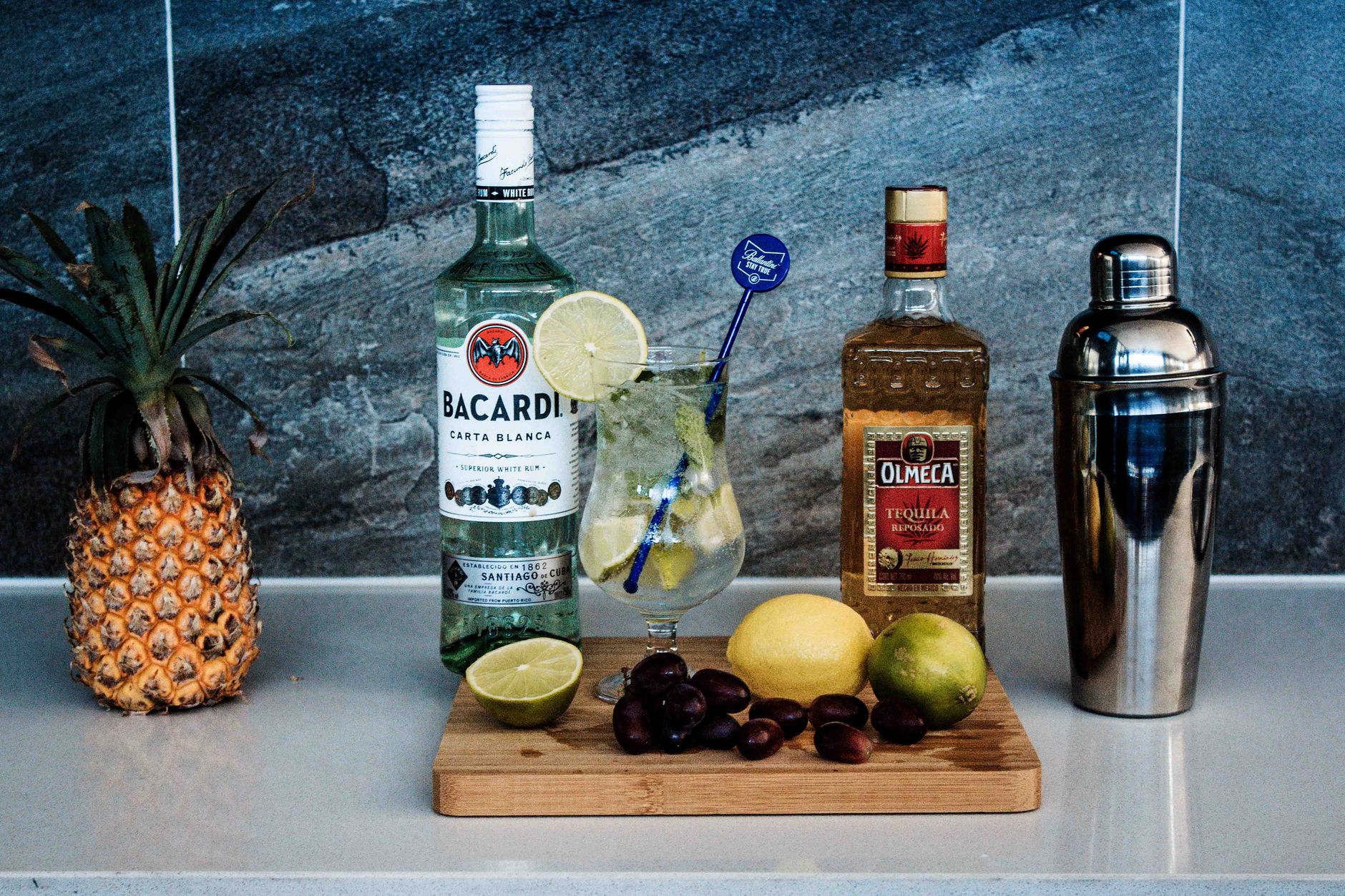
Photo by Kebs Visuals via Pexels.
Barbados falernum is traditionally a Caribbean mixing ingredient built around sweetness, lime, and spice. Depending on the bottle, it may be sold as a syrup or as a low-proof liqueur, but its job is similar in either form: add lift, roundness, and a faint tropical edge.
The flavor is usually bright rather than heavy, with citrus at the front and warm spice underneath. That combination makes it stand apart from ordinary simple syrups or citrus cordials.
The term velvet falernum is often used for versions with a smooth, soft mouthfeel, not for a separate category of ingredient. Alcoholic strength can vary, and that matters because it changes both texture and how the ingredient behaves in a drink.
A syrupy version will sweeten and bind flavors more directly, while a low-proof liqueur can bring a little extra aroma and structure.
Where Falernum Came From
Barbados is the ingredient’s strongest historical home and cultural anchor. Most accounts place falernum’s roots in the island’s colonial-era drink culture, where rum, sugar, citrus, and spice were already central to everyday refreshment and celebration.
References suggest the ingredient, or at least recognizable versions of it, may date back to the 18th century, when plantation economies and rum production shaped local tastes.
That context matters because falernum did not emerge in isolation. It sits at the crossroads of sugar estates, distilling, and punch traditions that valued balance as much as potency.
A small amount of aromatic sweetness could soften rum’s edges, stretch citrus, and create a more layered drink. Over time, the Barbados connection became the clearest way to understand falernum’s identity, even as later versions spread through the wider Caribbean cocktail world and beyond.
Early References and Naming
One useful historical clue is the phrase “curious liqueur composed from rum and lime-juice,” which captures both falernum’s spirit and its likely early character.
The wording suggests a drink-adjacent ingredient that was already defined by rum and citrus, rather than by one fixed modern formula.
The name itself has sometimes been linked, briefly and speculatively, to ancient Roman wine called falernum. That connection is interesting as a naming aside, but the practical story stays Caribbean: Barbados usage, rum culture, and lime-driven mixing traditions.
How Barbados Falernum Is Made

Photo by RDNE Stock project via Pexels.
At its core, falernum usually begins with rum, lime, and sugar. Those three elements establish the ingredient’s basic shape: sweetness for body, lime for brightness, and rum for warmth and aroma.
From there, makers often add spices such as clove, ginger, almond, nutmeg, or sometimes allspice, depending on the intended style. The result can lean fresher and more citrusy or deeper and more dessert-like, but the most recognizable versions stay balanced rather than aggressive.
Traditional falernum is usually built with cane sugar, not corn syrup. For a closer look at how corn syrup works as a sweetening ingredient, read what corn syrup is and how it is made.
Production can vary widely. Some falernums are infused and filtered into a clear or lightly tinted liqueur; others are built more like a syrup and omit alcohol entirely.
That means the same name may describe different products on the shelf, even before you consider proof. In home bartending, this is where label reading becomes essential, because an alcohol-free syrup and a low-proof liqueur will not behave the same way in a shaker or in a stirred drink.
Modern bottles can also emphasize different stylistic goals. A traditional Barbados-style version tends to feel gentler and more integrated, while other commercial expressions push spice or sweetness harder for immediate impact.
Neither approach is wrong, but they serve different recipes and different expectations. If you want the ingredient to support rather than dominate, the Barbados model is usually the better reference point.
Alcoholic Strength and Texture
Traditional falernum is often low-proof, which helps it read as light, sweet, and syrupy rather than overtly boozy.
That low alcoholic strength can make the drink feel softer on the palate and easier to blend into citrus-forward recipes. The velvet falernum label usually points to that smoothness, not to a special ingredient class or a guarantee of one exact recipe.
In contrast, some newer interpretations are noticeably stronger and spicier, which can be useful in bold tiki-style drinks but less suitable where subtlety matters.
What Falernum Tastes Like
Falernum usually tastes like lime, sugar, and spice in careful balance. You may notice clove or ginger first, then a soft nutty note and a citrus finish that keeps the sweetness from feeling flat.
The best versions do not shout; they brighten a drink from the middle out. That is also why people sometimes underestimate it.
If a recipe calls for falernum, substituting a generic spiced syrup can make the drink taste heavier, sweeter, or less structured than intended.
For a comparison of natural syrup production and flavor, see what maple syrup is and how it is made.
How Falernum Is Used in Cocktails
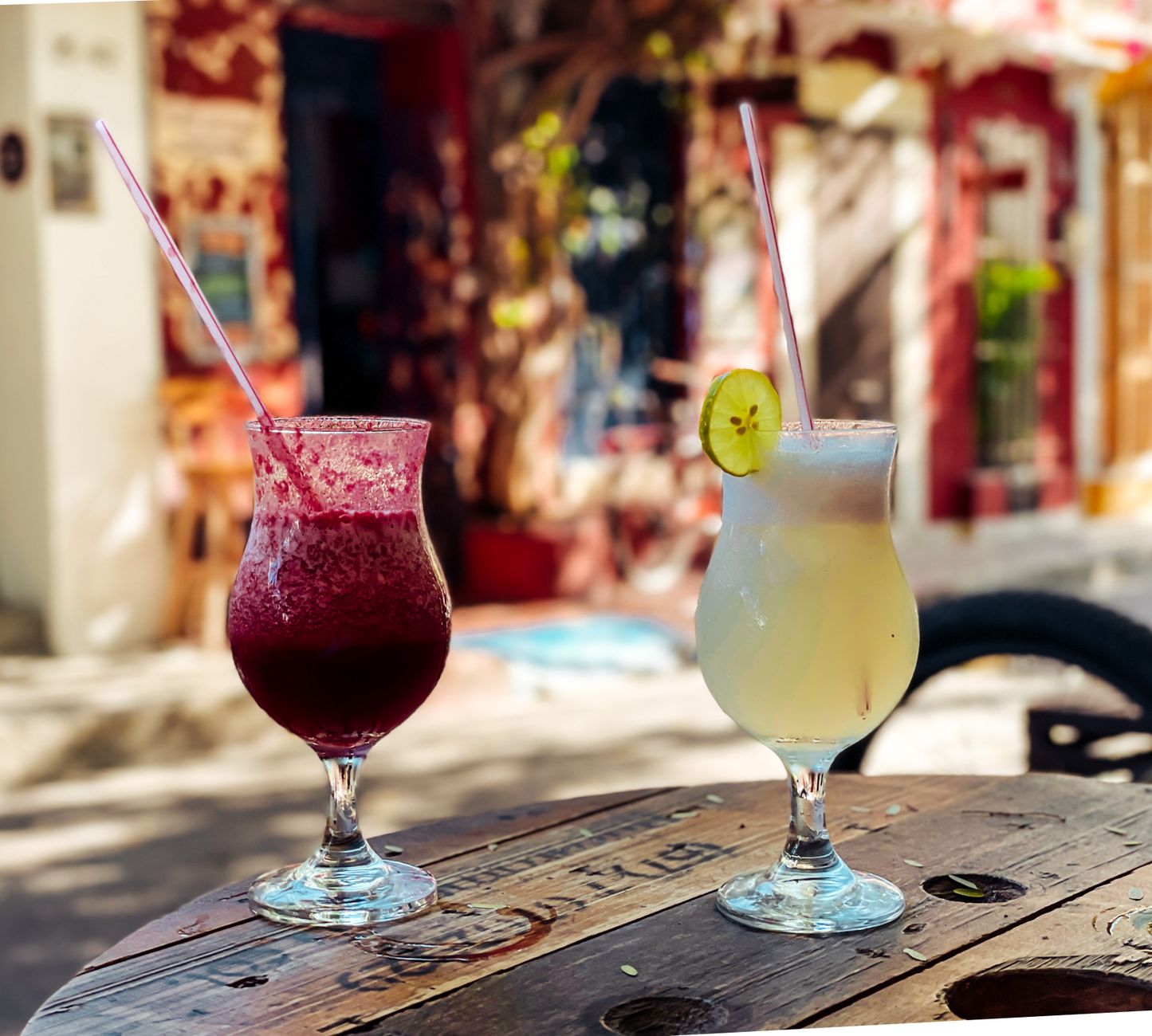
Photo by Diego HG via Pexels.
Falernum works as a modifier, meaning it supports the base spirit and shapes the overall profile rather than serving as the main flavor.
In cocktails, it commonly adds sweetness, spice, and a lime-driven lift that works especially well with rum. It can bridge rum and lime-juice flavors without letting either one become harsh or sharp.
That is one reason it appears so often in tropical and tiki recipes, where balance is built through layers instead of one dominant ingredient.
In practice, falernum can sit alongside citrus, bitters, and aromatic rum styles to create drinks that feel cohesive rather than crowded.
A small amount may be enough to round a sour-style cocktail, while a slightly larger measure can give a punch or tall drink more depth. It is also useful when a recipe needs sweetness that tastes more complex than plain sugar.
The spice makes the drink seem more finished, even when the ingredient amount is modest.
For a different example of building depth in a spirit-forward drink, explore this maple old fashioned recipe.
Because falernum can be syrup, low-proof liqueur, or something more intense, its role changes with the recipe.
In a classic cocktail, that means you should think about whether the drink wants aroma, sweetness, or actual alcohol contribution. The right bottle can sharpen a rum sour, soften a stirred tropical blend, or add a back-note of clove and lime that lingers after the sip.
How to Use Barbados Falernum in a Cocktail
To use Barbados falernum in a cocktail, start with 1/4 to 1/2 ounce of falernum per drink. Combine it with rum, lime juice, and other ingredients that benefit from gentle sweetness, citrus, and spice. Taste the drink before adding more because falernum can quickly change the balance.
Step 1: Identify the Type of Falernum
Check whether you have a falernum syrup, a low-proof liqueur, or a higher-proof version.
A syrup adds direct sweetness and texture. A liqueur adds sweetness, aroma, and some alcohol. A stronger falernum may need a smaller amount because it can bring more spice and proof to the drink.
Step 2: Start With a Small Measure
For one cocktail, begin with 1/4 ounce of falernum.
Increase to 1/2 ounce if the drink needs more sweetness, lime character, or warm spice. Starting small makes it easier to keep the base spirit and citrus in balance.
Step 3: Pair Falernum With Rum and Citrus
Falernum works especially well with light rum, aged rum, dark rum, and Jamaican-style rum.
It also pairs naturally with lime juice. The lime notes in falernum can help connect the rum and citrus, creating a smoother and more complete cocktail.
Step 4: Adjust the Sweetness Carefully
Falernum already contains sweetness, so reduce other sweeteners if the recipe begins to taste too rich.
If you are using falernum syrup instead of a liqueur, you may need less simple syrup or no additional syrup at all.
Step 5: Shake or Stir Based on the Recipe
Shake cocktails that contain citrus juice, such as rum sours, tropical drinks, and tall cocktails served over ice.
Stir cocktails that contain only spirits, liqueurs, and bitters. The method depends on the drink, not on the falernum itself.
Step 6: Taste Before Serving
Taste the cocktail after mixing. Add a small amount more falernum if the drink needs warmth, spice, or a softer citrus finish.
If the drink is too sweet, balance it with a little more lime juice or use less falernum in the next version.
Choosing the Right Style for a Recipe
Barbados falernum and modern spicy falernum are not always interchangeable. If a recipe expects velvet falernum, it may be aiming for a smoother, softer result than a bolder commercial spice syrup would deliver.
Check the proof, sweetness, and ingredient style before swapping. When bartenders say falernum generally, they may mean the flavor family; when they specify a style, they are often signaling texture and intensity as well.
Barbados Falernum Today
Falernum remains relevant because modern cocktail culture kept finding uses for it, especially in rum drinks and tiki-inspired recipes.
Many people encounter it first on a back bar or in a classic-style recipe, then realize how much it can change a drink with only a small measure. Commercial production has also made it easier to find, so the ingredient is no longer just a regional curiosity.
Even so, its Barbados identity still gives it meaning as a distinctly Caribbean mixing tradition.
How to Read Falernum Labels
Look for words like syrup, liqueur, velvet, or non-alcoholic to understand how a bottle will behave.
Check alcoholic strength, sweetness, and any cues about spice level before substituting it in a cocktail. The label usually tells you whether the product is meant to add texture, proof, or just flavor, and that distinction can save a recipe from becoming too sweet or too dry.
If you want a simple overview of how calories and nutrition information are calculated, read these online calorie calculator facts.
Frequently Asked Questions
What Flavor Is Falernum?
Falernum usually has a bright lime flavor followed by warm spice and gentle sweetness. Common notes include clove, ginger, almond, nutmeg, and sometimes allspice.
The exact taste depends on the brand and format. A syrup may taste sweeter and thicker, while a low-proof liqueur may have more aroma and a lighter finish.
What Can I Substitute for Falernum?
Possible substitutes include a combination of simple syrup, lime zest or juice, and a small amount of ginger or clove. Orgeat can provide sweetness and almond flavor, but it does not usually provide the same lime and spice profile.
A spiced syrup may work in some tropical drinks, but it can make the cocktail taste heavier or sweeter than intended. The best substitute depends on whether the original recipe needs sweetness, citrus, spice, texture, or alcohol.
For other liquid sweetener comparisons, see is agave syrup the same as maple syrup?.
Does Falernum Have Alcohol?
It depends on the product. Falernum is available as a non-alcoholic syrup, a low-proof liqueur, and in some cases a stronger alcoholic expression.
Check the bottle for its alcohol by volume, or ABV, before using it in a cocktail. The alcohol content affects the drink’s total strength, sweetness, aroma, and balance.
What Is the Difference Between Orgeat and Falernum?
Orgeat is usually a sweet almond syrup often associated with almond flavor and, depending on the product, floral or citrus notes.
Falernum is built around lime, sugar, and warm spices such as clove or ginger. Some falernum products may include almond, but falernum has a more noticeable citrus and spice identity.
Orgeat is commonly used to add nutty sweetness, while falernum is used to add lime, spice, sweetness, and Caribbean-style aromatic depth.
What Is Falernum Made Of?
Falernum is commonly made with rum, lime, sugar, and spices. Depending on the recipe or product, it may also include ginger, clove, almond, nutmeg, allspice, or other aromatic ingredients.
Some versions are made as low-proof liqueurs, while others are prepared as non-alcoholic syrups. This is why the ingredient list and product label are important when choosing a bottle.
Is Velvet Falernum the Same as Falernum?
Velvet falernum is a style or product name associated with a smooth, soft, gently spiced form of falernum. It belongs to the wider falernum family, but not every falernum product has the same texture, sweetness, or alcohol content.
When a recipe specifically calls for velvet falernum, it may be expecting a smoother and more integrated flavor than a stronger or more heavily spiced version provides.
How Long Does Falernum Last?
The shelf life depends on whether the falernum is a commercial liqueur, a non-alcoholic syrup, or a homemade mixture.
Follow the storage instructions and best-before date on the bottle. Alcoholic products may last longer than fresh, non-alcoholic syrups, but the exact storage time varies by ingredients, preservatives, packaging, and alcohol content.
Store opened products as directed, keep the cap clean, and check for changes in smell, appearance, texture, or flavor before using them. Homemade falernum should generally be refrigerated and used more quickly than a commercial product.
For an example of a homemade non-alcoholic syrup, see this homemade pancake syrup recipe.