

5 Maple Dijon Dressing recipes for Salads, Veggies, and Bowls
A maple dijon dressing can rescue a plain meal in minutes. It brings maple depth, mustard bite, and a glossy finish that makes simple food feel polished.
This post gives you five easy variations. Each recipe has a clear best use, exact ingredient amounts, and a simple method. They work for busy weeknights, but they also feel refined enough for guests.
For readers who enjoy maple in both sweet and savory cooking, you may also like our maple fudge recipe and these 5-ingredient maple syrup recipes. If you want a deeper look at pantry language and kitchen basics, the guide to cooking terms is a useful companion.
Key Takeaways
- Maple dijon dressing balances sweet, tangy, and savory flavors.
- A simple base uses maple syrup, Dijon mustard, oil, and acid.
- Small changes can make it creamy, brighter, richer, or more savory.
- It works well on salads, roasted vegetables, and grain bowls.
- It stores well and is easy to customize.
Why Maple Dijon Dressing Works So Well
A good maple dijon dressing works because it balances four things at once, sweet, sharp, salty, and rich. The maple softens the mustard. The mustard gives bite. The oil adds body. The acid keeps everything bright.
That balance makes it useful across many dishes. It tastes fresh on greens and rich on warm vegetables. It also feels special without being difficult.
Best maple Dijon dressing
The best maple dijon dressing is the one that matches your meal. A classic version works for everyday salads. A creamy version works better for grains. A lemon version feels lighter. A garlic herb version brings more depth to roasted vegetables.
If you want the most flexible option, start with the classic recipe. It has the cleanest flavor and the easiest balance to adjust.
Maple Dijon dressing salad
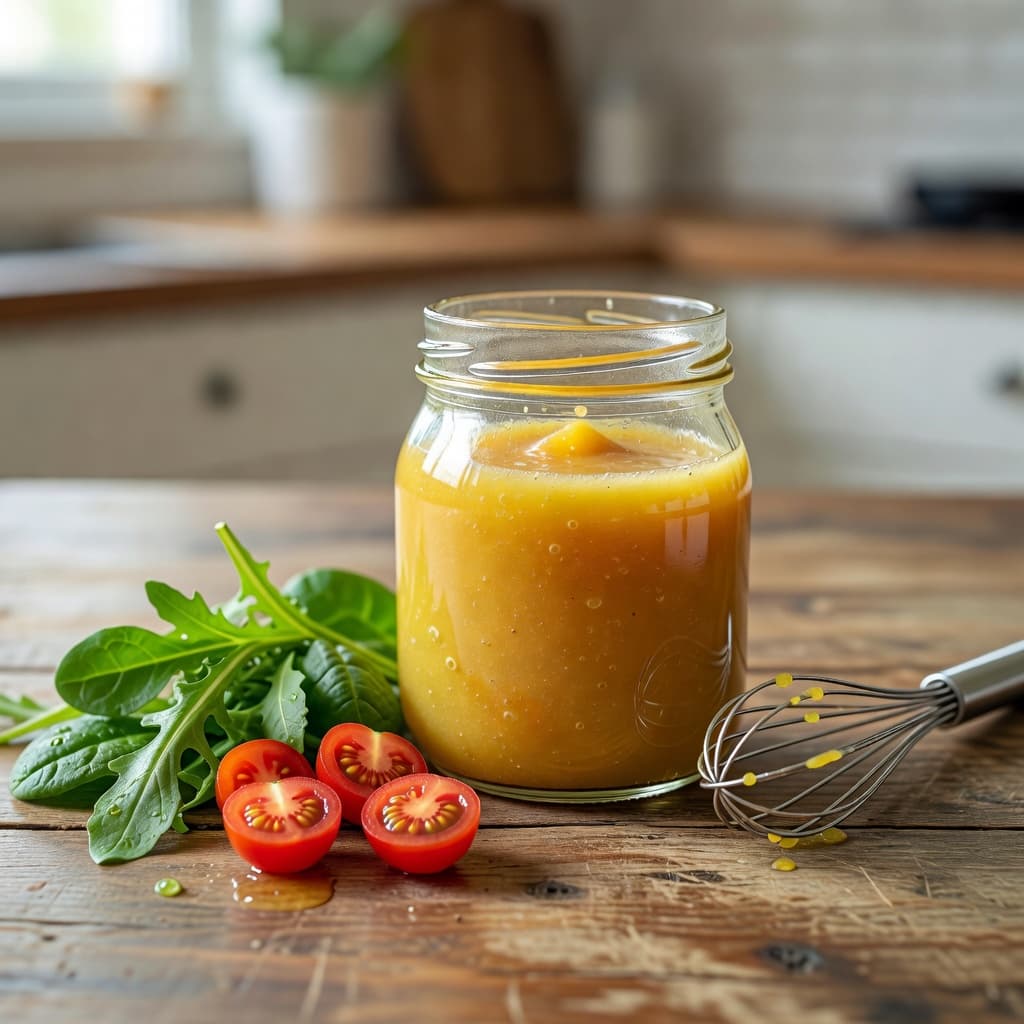
A maple dijon dressing salad works best when the greens need contrast. Use it on butter lettuce, arugula, romaine, spinach, cucumbers, apples, fennel, and carrots. The sweet and tangy flavor helps fresh ingredients taste brighter.
It also works well in salads with nuts, cheese, or roasted vegetables. Those ingredients give the dressing more structure and make each bite feel complete.
Wholesome Ingredients and the Basic Method
A strong maple dijon dressing starts with simple pantry ingredients. You do not need much to make it taste balanced.
Maple dijon dressing ingredients
The main maple dijon dressing ingredients are:
- extra-virgin olive oil
- Dijon mustard
- pure maple syrup
- apple cider vinegar, lemon juice, or white wine vinegar
- salt
- black pepper
Optional add-ins:
- garlic
- shallot
- fresh herbs
- lemon zest
- Greek yogurt
- tahini
- Maplelixir
Each ingredient has a job. The oil adds richness. The mustard helps the dressing emulsify. The maple adds sweetness. The vinegar or lemon gives brightness. Salt and pepper pull the flavor together.
For more maple ingredient ideas, see our post on maple syrup sugar and this guide to silan, which compares another sweet syrup used in dressings and glazes.
The simple method that works every time
- Whisk the acid, maple syrup, Dijon, salt, and pepper in a bowl or jar.
- Slowly whisk in the oil until the dressing looks smooth and glossy.
- Taste and adjust.
- Add more maple for sweetness, more acid for brightness, or more Dijon for sharpness.
If you like learning how ingredients behave in recipes, you may also enjoy savory maple syrup recipes for glazes, marinades, and sauces, since the same balance rules apply.
Maplelixir as an optional upgrade
If you use Maplelixir, add 1 to 2 teaspoons in place of part of the maple syrup. It gives the dressing a deeper maple note and a richer finish. It is optional, but it works well when you want a more premium result.
The Five Maple Dijon Dressing Recipes
Each recipe below makes about 1/2 cup, enough for 4 servings.
Simple salad dressing with maple syrup and Dijon mustard
This is the cleanest and most balanced version. It is a great everyday dressing for greens, sliced fruit, and shaved vegetables.
Ingredients
- 1 1/2 tablespoons apple cider vinegar
- 1 tablespoon pure maple syrup
- 1 tablespoon Dijon mustard
- 1/4 teaspoon kosher salt
- 1/8 teaspoon black pepper
- 3 tablespoons extra-virgin olive oil
- 1 tablespoon water
Method Whisk the vinegar, maple syrup, Dijon, salt, and pepper in a small bowl or jar. Slowly whisk in the olive oil until smooth. Add the water and whisk again until the texture is lightly glossy.
Best use Butter lettuce, cucumbers, apples, fennel, shaved carrots
Yield About 1/2 cup
Maple Dijon dressing salad
This version is a little brighter and a little sweeter. It works especially well in a maple dijon dressing salad with fruit, nuts, and cheese.
Ingredients
- 1 1/2 tablespoons apple cider vinegar
- 1 1/2 tablespoons pure maple syrup
- 2 teaspoons Dijon mustard
- 1 teaspoon minced shallot
- 1/4 teaspoon kosher salt
- pinch of black pepper
- 3 tablespoons extra-virgin olive oil
Method Whisk the vinegar, maple syrup, Dijon, shallot, salt, and pepper in a bowl. Slowly whisk in the oil until the dressing looks shiny and smooth.
Best use Mixed greens, pears, apples, walnuts, blue cheese, cheddar
Yield About 1/2 cup
Maple dijon dressing for roasted veg
This savory version is made for warm vegetables. The garlic and herbs make it taste deeper and more rounded.
Ingredients
- 1 tablespoon red wine vinegar
- 1 tablespoon pure maple syrup
- 1 tablespoon Dijon mustard
- 1 small garlic clove, finely grated
- 1 teaspoon chopped thyme
- 1 teaspoon chopped parsley
- 1/4 teaspoon kosher salt
- 1/8 teaspoon black pepper
- 3 tablespoons extra-virgin olive oil
- 1 tablespoon water, if needed
Method Whisk the vinegar, maple syrup, Dijon, garlic, thyme, parsley, salt, and pepper in a bowl. Slowly whisk in the oil until emulsified. Add water if needed to loosen the texture.
Best use Carrots, cauliflower, squash, Brussels sprouts, roasted potatoes
Yield About 1/2 cup
If you enjoy roasted vegetable pairings, the flavors in better maple glazed salmon and these maple syrup recipes for summer offer more ideas for savory-sweet balance.
Creamy maple Dijon dressing
This is the richest version in the group. It is best for grain bowls and dishes that need a thicker, spoonable dressing.
Ingredients
- 2 tablespoons plain Greek yogurt
- 1 tablespoon Dijon mustard
- 1 tablespoon pure maple syrup
- 1 tablespoon apple cider vinegar
- 1 teaspoon lemon juice
- 1/4 teaspoon kosher salt
- 1/8 teaspoon black pepper
- 2 tablespoons extra-virgin olive oil
- 1 to 2 tablespoons water
Method Whisk the yogurt, Dijon, maple syrup, vinegar, lemon juice, salt, and pepper in a bowl. Whisk in the oil, then add water a little at a time until the dressing is spoonable.
Best use Farro, quinoa, wild rice, chickpeas, roasted sweet potatoes, chicken
Yield About 1/2 cup
For more hearty breakfast and grain inspiration, you may also like maple porridge vs oatmeal, maple buckwheat porridge cooking, and maple quinoa porridge recipe.
Lemon maple dijon dressing
This lighter version tastes fresh and clean. It is great for spring vegetables and bowls with herbs.
Ingredients
- 1 tablespoon lemon juice
- 1 tablespoon white wine vinegar
- 2 teaspoons pure maple syrup
- 2 teaspoons Dijon mustard
- 1 teaspoon lemon zest
- 1/4 teaspoon kosher salt
- 1/8 teaspoon black pepper
- 3 tablespoons extra-virgin olive oil
Method Whisk the lemon juice, vinegar, maple syrup, Dijon, lemon zest, salt, and pepper in a small bowl. Slowly whisk in the oil until smooth and glossy.
Best use Spring greens, asparagus, peas, roasted cauliflower, herb rice bowls
Yield About 1/2 cup
How to Customize Maple Dijon Dressing
A good maple dijon dressing is easy. A memorable one comes from small changes that match the meal.
Maple dijon dressing homemade
Maple dijon dressing homemade versions are easy to make at home. Use less maple syrup if you want to lower the sweetness. Use more vinegar or lemon juice if you want more brightness without adding sugar.
You can also lighten the dressing by using a little water to thin it instead of more oil. For a creamy but lighter version, use Greek yogurt or tahini in small amounts.
If you want more breakfast-friendly homemade maple ideas, take a look at maple rolled oats porridge recipe, maple millet porridge recipe, and maple syrup oatmeal porridge calories.
Easy ways to make it deeper and more luxurious
Use a sharp Dijon mustard and a flavorful olive oil. Roast or toast the garlic before adding it if you want a sweeter savory note. Finish plated vegetables with flaky salt. Add a touch of Maplelixir if you want a richer maple finish.
If you like elevated maple pairings, you may also enjoy maple bacon and maple syrup cookies, both of which show how maple can add depth without feeling heavy.
How to match the dressing to the dish
- Bitter greens like arugula and radicchio, use the classic or apple cider version
- Roasted vegetables, use the garlic herb version
- Grain bowls, use the creamy version
- Light spring meals, use the lemon version
- Rich add-ins like avocado or goat cheese, use the lemon version for balance
Serving suggestions
Serve maple Dijon dressing over leafy greens, shaved carrots, cucumbers, apples, roasted squash, Brussels sprouts, quinoa bowls, or farro bowls. It also works well as a drizzle for chicken, salmon, or warm potato salad. For the best flavor, add it just before serving.
Storage tips
Store maple dijon dressing in a sealed jar with tight-fitting lid in the refrigerator for up to 5 days. Let it sit at room temperature for 10 minutes before using, then shake well. If it thickens, add a little water or lemon juice. If it is too thin, add a little Dijon or yogurt.
Nutrition Information
Values below are estimates for a 2-tablespoon serving. Brands and amounts will change the numbers.
| Variation | Calories | Fat | Carbs | Sugar | Sodium |
|---|---|---|---|---|---|
| Simple salad dressing with maple syrup and Dijon mustard | 106 | 10 g | 4 g | 3 g | 180 mg |
| Maple Dijon dressing salad | 116 | 10 g | 5 g | 4 g | 160 mg |
| Maple dijon dressing for roasted veg | 108 | 10 g | 4 g | 3 g | 190 mg |
| Creamy maple Dijon dressing | 88 | 7 g | 4 g | 3 g | 165 mg |
| Lemon maple dijon dressing | 100 | 10 g | 2 g | 2 g | 150 mg |
Common Mistakes and How to Fix Them
Too sweet
Add more vinegar, lemon juice, or Dijon mustard.
Too sharp
Add a little more maple syrup or yogurt.
Dressing separates
Whisk in more Dijon and add the oil more slowly next time.
Flavor feels flat
Use a stronger Dijon and a better-quality oil.
Lessons Learned
Texture matters as much as flavor. A thin dressing works best for leafy salads. A thicker dressing works better for grain bowls and roasted vegetables. Warm vegetables also need more acid and salt than cold greens.
Premium ingredients matter most when used simply. A better oil, mustard, or maple syrup can improve the whole batch.
If you are building a bigger maple recipe collection, these maple candy recipe and best maple syrup granola recipe posts are good next reads, along with maple granola bars recipe for grab-and-go ideas.
More Ways to Use Maple Dijon Dressing
Try maple dijon dressing on:
- roasted chicken
- salmon
- pork tenderloin
- slaws
- sandwiches
- warm potato salad
- charred Brussels sprouts
If you want another savory maple meal idea, try this dressing alongside better maple glazed salmon. It also pairs nicely with fall-inspired recipes like maple syrup recipes dessert when you want a sweet finish after a savory course.
Bonus way to use leftovers
Thin leftover dressing with a little warm water and lemon juice. Then drizzle it over roasted vegetables, grain bowls, or plated appetizers. It becomes a simple finishing sauce with a more elegant feel.
FAQ
How long does homemade maple dijon dressing last?
Up to 5 days in the refrigerator in a sealed jar.
Can I make it dairy-free?
Yes. Skip the yogurt or use tahini instead.
Why does it taste dull sometimes?
Usually because the mustard is weak or the acid is too low.
Why does it separate?
That happens when the oil is added too fast. Shake or whisk it again before using.
How do I make maple dijon dressing for breakfast bowls?
Use the creamy version, then thin it slightly. It works well on savory oats, grain bowls, and warm porridge recipes. For more breakfast ideas, see banana and maple syrup oatmeal calories, maple syrup oatmeal porridge, and maple syrup oatmeal porridge bread.
Can I use this dressing with pork or chicken?
Yes. It works well as a finishing sauce or light glaze for roasted meats. It is especially good with pork, chicken, and salmon. If you want more ideas, the post on maple syrup recipes with 5 ingredients and maple syrup farm are helpful for understanding the ingredient story behind maple recipes.
is there a difference between Maple vinaigrette and Maple Dijon vinaigrette
Maple vinaigrette is a simple dressing made with maple syrup, oil, vinegar, and seasonings. It has a sweet and tangy flavor that works well on salads, roasted vegetables, and grain bowls. You can keep it classic or make it creamy, bright, or savory depending on the meal.
Maple Dijon vinaigrette is a balanced dressing that combines sweet maple syrup with sharp Dijon mustard and acid like vinegar or lemon juice. The result is smooth, glossy, and full of flavor. It is a versatile choice for salads, vegetables, and grain-based meals.
How long can you leave salad dressing unrefrigerated?
Homemade salad dressing should not sit out for long. A general rule is to keep it unrefrigerated for no more than 2 hours, or 1 hour if the room is very warm. If the dressing contains dairy, eggs, or other perishable ingredients, it should go back in the fridge quickly.
How can you tell if Dijon mustard has gone bad?
Signs that Dijon mustard may be bad include an off smell, mold, unusual discoloration, or a strange taste. If the texture looks separated in a way that does not mix back together, or if the jar has been stored improperly for a long time, it is safer to replace it.
Can mustard cause bloating?
Mustard can cause bloating in some people, especially if they are sensitive to acidic foods, spices, or certain additives. Most people tolerate it well in small amounts. If it bothers you often, try a smaller portion or a milder mustard.
What is a good substitute for Dijon dressing?
A good substitute for Dijon dressing is stone-ground mustard mixed with a little vinegar, oil, and maple syrup. Yellow mustard can work in a pinch, but it tastes milder and less complex. Whole grain mustard is another good option if you want texture.
What is the 2 2 2 food rule?
The 2 2 2 food rule is not a standard nutrition rule, so it can mean different things in different contexts. In recipe writing, people sometimes use it to describe a simple formula or equal-parts method. For dressing, a common base is 1 part sweetener, 1 part acid, and 2 parts oil, with Dijon added for balance.
What salad dressings do not need refrigeration?
Most homemade dressings should be refrigerated. Some store-bought dressings may be shelf-stable before opening because they are processed and sealed for safety. Once opened, many still need refrigeration. Always follow the label instructions.
What three vegetables should never be refrigerated?
Common examples are tomatoes, onions, and potatoes. Refrigeration can affect their texture and flavor. Keep them in a cool, dry place instead.
What kind of mustard is closest to Dijon?
Whole grain mustard and stone-ground mustard are closest to Dijon in flavor. They have a similar sharpness, though whole grain mustard has more texture. Yellow mustard is less close because it tastes milder and more acidic.
Does mustard help with stomach cramps?
Some people use mustard as a home remedy for mild muscle cramps, but evidence is limited. It is not a proven treatment for stomach cramps. If you have frequent or severe stomach pain, it is best to speak with a healthcare professional.
Is Dijon mustard just mustard and mayo?
No, Dijon mustard is not mustard and mayo. Dijon is made from mustard seeds, vinegar or wine, salt, and seasonings. Mayo is a separate condiment made from egg yolk, oil, and acid.
Why Homemade salad dressing recipes ?
Homemade salad dressing recipes are easy to make and usually taste fresher than store-bought versions. With just a few pantry ingredients, you can build a dressing that feels light, balanced, and made for your meal. A good homemade dressing also gives you more control over sweetness, salt, and texture.
What is a Lemon Dijon dressing ?
Lemon Dijon dressing is bright, tangy, and simple to make. It blends lemon juice, Dijon mustard, olive oil, salt, and pepper into a smooth vinaigrette that works well on greens, cucumbers, asparagus, and grain bowls. If you want a fresher, lighter finish, this is one of the best dressing options to keep on hand.
Is there a simple dijon vinaigrette recipe ?
A simple Dijon vinaigrette recipe usually starts with Dijon mustard, vinegar, olive oil, salt, and pepper. For a maple version, you can add a little pure maple syrup to soften the sharpness and give the dressing a smoother finish.
A basic ratio is 1 part vinegar, 1 part Dijon, 2 parts oil, and a small amount of sweetener if desired. Whisk everything together until glossy and smooth. It works well on salads, roasted vegetables, and grain bowls.
Conclusion
Maple dijon dressing is one of the easiest ways to make everyday food taste better. It works because the sweet, tangy, and savory notes stay in balance.
Start with the classic version, then adjust it for the dish you are serving. A little more acid, a creamier texture, or a richer maple note can make it feel new every time.
For more maple inspiration beyond salads, you may also enjoy maple syrup recipes for summer, maple syrup recipes dessert, and maple porridge vs oatmeal.