

Want Better Maple Glazed Salmon? 5 Simple Fixes That Work
Maple glazed salmon should taste polished, not sticky or overly sweet. When the glaze is balanced and the fish stays moist, this simple dinner feels closer to a bistro plate than a rushed weeknight meal. The best results come from small changes, not fancy tools. A few smart moves can turn an ordinary salmon dinner into something elegant.
Most problems come from timing, heat, and seasoning. Dry the fish well, keep the maple glaze light, use steady oven heat, brush at the right time, and stop cooking before the salmon tightens. Those five fixes make maple glazed salmon easier to master, and the steps below show you exactly how to do it.
Key takeaways for better maple glazed salmon
- Pat the salmon dry before cooking so the glaze sticks instead of sliding off.
- Balance the sweetness with soy sauce, Dijon mustard, garlic, and lemon.
- Use moderate oven heat so the sugars do not burn.
- Apply most of the glaze near the end for a glossy finish.
- Pull the salmon early, then let carryover heat finish the job.
If you remember one thing, remember this. Timing matters more than force. Sweet glazes burn fast, while salmon needs only a short bake.
What makes maple glazed salmon work so well
The best maple glazed salmon has sweet, salty, tangy, and savory notes in one bite. Pure maple syrup gives clean sweetness. Soy sauce adds depth. Dijon mustard adds sharpness. Garlic adds warmth. Lemon keeps the glaze bright.
The fish matters too. Thick, center-cut salmon fillets cook more evenly and look better on the plate. Skin-on salmon is easier to handle because the skin protects the flesh. A little kosher salt on the fish is important, since glaze alone rarely seasons the center.
If you enjoy learning how maple ingredients show up in other dishes, you may also like these posts on maple syrup recipes with 5 ingredients and maple syrup sugar. They are helpful if you want to better understand sweetness, balance, and texture in maple-based cooking.
Why Maplelixir can make the finished dish feel more premium

If you want a more polished finish, stir a small spoonful of Maplelixir maple syrup elixir into the reserved salmon glaze at the end. Its small-batch Quebec origin and smoother body can give the salmon a softer shine and a more elegant maple note.
Used lightly, it adds a richer look and a more refined finish without making the dish heavy. It works best as a final touch, not as the main sweetener.
The five quick fixes that turn good salmon into great maple glazed salmon
Start here if you want the fastest upgrade.
- Pat the salmon dry. A dry surface browns better, holds seasoning, and helps the glaze cling.
- Balance the glaze. Maple syrup needs salt, tang, and savory depth, so add soy sauce, Dijon mustard, and garlic.
- Use the right oven heat. Moderate heat cooks salmon evenly without scorching the sugars.
- Glaze late, not all at once. A thin coat early is fine, but the glossy finish should go on near the end.
- Pull the fish before it looks fully done. Salmon keeps cooking after it leaves the oven, so early removal protects tenderness.
For more maple inspiration beyond salmon, you can also look at maple bacon for a sweet-savory flavor pairing that uses the same balance principle in a different way.
How to make maple glazed salmon step by step
Recipe card: ingredients, time, temperature, and servings
Servings: 4
Prep time: 10 minutes
Cook time: 10 to 14 minutes
Total time: 20 to 24 minutes
Oven: 400 F
Best salmon thickness: 3/4 to 1 1/4 inches
Ingredients
- 4 salmon fillets, about 6 ounces each
- 3/4 teaspoon kosher salt
- 1/2 teaspoon black pepper
- 1 tablespoon olive oil
- 1/4 cup pure maple syrup
- 1 tablespoon low-sodium soy sauce
- 2 teaspoons Dijon mustard
- 1 garlic clove, finely grated
- 1 teaspoon fresh lemon juice
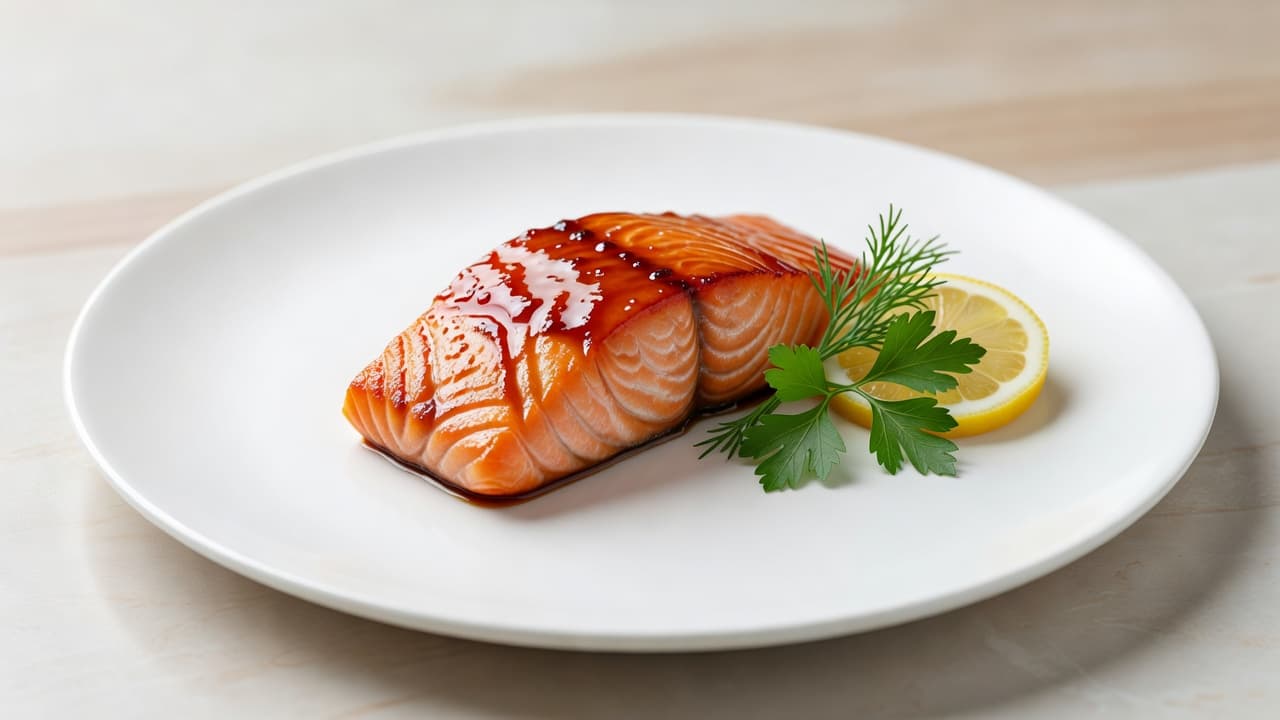
Step by step from raw salmon to glossy finish
- Heat the oven to 400 F. Line a baking sheet with parchment paper or lightly oiled foil. Pat the salmon dry on all sides, then season it with salt and pepper.
- In a small bowl, whisk together the maple syrup, soy sauce, Dijon mustard, garlic, lemon juice, and olive oil. Reserve about 2 tablespoons in a clean bowl for finishing.
- Place the fillets skin-side down on the pan. Brush on a thin coat of glaze, not a thick layer.
- Bake for 5 minutes. Brush on another light coat, then return the pan to the oven for 4 to 7 minutes more, depending on thickness.
- Check the thickest part of the fillet. For moist results, pull the salmon at 125 to 130 F, or when the center is barely translucent and flakes with light pressure. Rest for 2 minutes, then brush with the reserved glaze. If you want extra color, broil for 30 to 60 seconds with close attention.
If you want another maple salmon recipe with a simple ingredient set, this summer maple syrup recipe collection can give you more ideas for warm-weather cooking.
Why this maple glazed salmon works so well
The flavor balance that keeps the fish from tasting too sweet
Maple syrup brings natural sweetness, but salmon needs contrast to shine. Soy sauce adds salt, Dijon adds bite, garlic adds warmth, and lemon keeps the glaze bright. That mix gives the fish a refined sweet-savory finish instead of a dessert-like coating.
If you are curious about other breakfast-style maple pairings, the post on banana and maple syrup oatmeal calories is a useful example of how maple works with fruit, grain, and sweetness control.
How heat, moisture, and timing affect the final texture
Patting the salmon dry helps the glaze stick. A thin layer also bakes more cleanly than a heavy one. Steady oven heat cooks the center before the sugars darken too much. Thicker fillets need more cook time, while thin tail pieces can dry out fast.
Keep one small bowl of glaze away from the raw fish, then brush it on at the end for a clean shine.
Salmon also keeps cooking after it leaves the oven. Because of that carryover heat, removing it just before the target temperature helps protect the tender texture.
For a deeper look at how maple behaves across different foods, the article on maple syrup farm gives helpful background on how maple is harvested and why quality matters.
Easy upgrades to make the dish feel special
Small changes that add more color, shine, and depth
Fresh herbs, lemon zest, cracked black pepper, or a small pinch of chili flakes can sharpen the finish. A brief broil at the end also helps, but only after the fish is nearly done. Too much broiling can turn the sugars bitter.
If you like building maple flavor into a bigger meal, you may also enjoy maple granola bars as a sweet side or snack idea for the same pantry theme.
How to customize the glaze for sweet, spicy, or savory tastes
For a brighter version, add orange zest or extra lemon juice. For heat, stir in red pepper flakes or a little chili paste. For a deeper savory note, add a touch more soy sauce or a little grated ginger. Keep the changes small so the salmon still leads the dish.
If you are thinking about maple in savory-sweet recipes beyond fish, maple syrup cookies and maple candy recipe are good examples of how maple can move between dessert and dinner with the right balance.
Common mistakes that ruin maple glazed salmon, and how to fix them
Most bad batches come from the same few issues, and each one has an easy fix.
What to do if the salmon glaze burns before the salmon is done
The glaze is probably too thick, the oven rack is too high, or the heat is too strong for the amount of sugar. Next time, use a lighter first coat and save the final brushing for the last few minutes. If your oven runs hot, bake at 375 F instead.
What to do if the salmon turns out dry or bland
Dry salmon usually stayed in the oven too long. Use a thermometer and check early, especially with thinner fillets. Bland salmon usually needs more salt on the fish itself, not just in the glaze. A final brush of fresh glaze also helps restore shine and flavor.
If you want to understand how maple sweetness compares in other foods, the post on maple porridge vs oatmeal offers a simple comparison that is useful for anyone watching sugar or texture in their meals.
Nutrition details and what to expect in each serving
These estimates are for one 6-ounce fillet with a moderate amount of glaze. Exact values will vary by salmon type, cut size, and glaze amount.
| Nutrition per serving | Amount |
|---|---|
| Calories | 395 |
| Protein | 34 g |
| Total fat | 22 g |
| Carbohydrates | 13 g |
| Sugars | 11 g |
| Sodium | 520 mg |
| Serving size | 1 fillet |
This is a rich but sensible main course. Serve it with vegetables or rice for a balanced plate.
Nutrition and balance
Salmon is known for its protein, which makes it a filling choice for dinner. It also contains fat that helps give the fish its rich taste and tender texture. If you are watching saturated fat, keeping the glaze light and serving the fish with vegetables can help balance the plate.
For readers interested in lower-sugar maple ideas, maple rolled oats porridge recipe, maple quinoa porridge recipe, maple millet porridge recipe, and maple buckwheat porridge cooking show how maple can fit into more controlled, whole-food meals.
What I learned from making maple glazed salmon again and again
The one habit that improved every salmon recipes
Patting the fish dry made the biggest difference. The surface looked neater, browned better, and held the glaze instead of steaming under it. That one habit improved texture and appearance at the same time.
How to transfer these lessons to other fish dishes
The same rules work for trout, Arctic char, cod, and even glazed shrimp. Keep the protein dry, build contrast into the marinade or salmon glaze, and save part of the glaze for the end. Those three moves give other seafood the same clean, glossy finish.
Some ways to serve maple glazed salmon for a memorable meal
Best sides for a refined dinner plate
Roasted asparagus, green beans, wild rice, mashed potatoes, or a crisp salad all work well. If the salmon tastes rich, keep the sides fresh and simple. Bitter greens and citrus are especially good because they cut the sweetness.
If you want a more filling maple-friendly side later in the day, a breakfast-style recipe like maple porridge vs oatmeal can help you plan a full menu around maple in a balanced way.
How to plate it so it looks elegant at the table
Use a white or neutral plate so the salmon stands out. Place the fillet slightly off-center. Add the vegetables in a neat cluster beside it. Finish with herbs, lemon, or a light drizzle of glaze for a clean restaurant-style look.
More ways to enjoy maple salmon recipe ideas
A good salmon recipe does not end with one meal. This maple salmon recipe can also inspire quick lunches, simple bowls, and easy next-day meals. Because the flavor is balanced, it works well with fresh vegetables, grains, and lighter sides.
If you like trying different salmon recipes, this one is easy to adapt. You can keep the same salmon glaze and change the sides, or serve the fish warm one night and cold the next day. That makes it a flexible option for busy home cooks who want something that still feels special.
Simple ingredients that make the recipe flexible
One reason this dish works so well is that it uses simple ingredients. Maple, soy sauce, mustard, garlic, and lemon create enough flavor on their own, so you do not need a long ingredient list. That keeps the recipe practical and easy to make.
The short prep time also helps. You can mix the glaze, season the fish, and get everything into the oven without much effort. With a fast cook time 15 minutes or less in many ovens, it is a useful option when dinner needs to happen quickly.
Leftover salmon ideas for the next day
Leftover salmon is easy to store and even easier to reuse. Place it in an airtight container and keep it in the refrigerator. The next day, you can flake it over rice, add it to a salad, or tuck it into a wrap.
This is one of the reasons the dish feels practical as well as elegant. You get one dinner, then another meal from the leftovers. That makes the recipe more useful without adding much extra work.
The final result is still a delicious recipe that feels rich but not too heavy. It fits well into a balanced meal plan and pairs nicely with simple side dishes.
Best side dish ideas
A good side dish should support the salmon without overpowering it. Roasted asparagus, green beans, rice, or a crisp salad all work well. These sides help balance the sweet maple flavor and keep the meal fresh.
If you want the whole plate to feel complete, think about color, texture, and contrast. That is what turns a basic dinner into a polished one.
FAQ about maple glazed salmon
How to make maple glaze for salmon?
Whisk pure maple syrup, soy sauce, Dijon mustard, garlic, and a little lemon juice. This gives you a glaze that is sweet, salty, and bright. For the best texture, keep it light and use most of it near the end of cooking.
What does maple syrup do for salmon?
Maple syrup adds sweetness and helps the salmon develop a glossy, caramelized finish. It also balances the savory flavor of the fish when paired with salt, mustard, and garlic.
Do salmon and maple syrup go together?
Yes, they work very well together. Salmon has a rich flavor, and maple syrup adds a smooth sweetness that pairs well with its natural oils. The key is balance, so the glaze should not be too sweet.
How to cook salmon for diabetics?
Bake or grill salmon with a light glaze, not a heavy sugary sauce. Use small amounts of maple syrup, add herbs, lemon, garlic, and mustard for flavor, and serve it with non-starchy vegetables. This keeps the meal balanced and lower in added sugar.
What seasoning does Gordon Ramsay put on salmon?
Gordon Ramsay often uses simple, bold flavors like salt, pepper, lemon, herbs, butter, mustard, or pan sauce. His style usually focuses on clean seasoning and good technique rather than heavy sauce.
What side dishes goe well with maple glazed salmon?
Roasted asparagus, green beans, wild rice, mashed potatoes, and crisp salads all pair well with maple glazed salmon. Fresh, slightly bitter, or earthy sides help balance the sweetness of the glaze.
How to eat maple glazed salmon?
Serve it hot with a fork and knife, and take a bit of salmon with some glaze and side dish in each bite. It tastes best when paired with a simple vegetable or grain so the glaze stays balanced.
What is a good glaze to go on salmon?
A good salmon glaze usually includes something sweet, something salty, and something tangy. Maple syrup, soy sauce, Dijon mustard, garlic, and lemon make one of the best combinations because they create a rich but balanced flavor.
How to thicken maple glaze for salmon?
Simmer the glaze for a few minutes over low heat until it reduces slightly. You can also add a little more maple syrup or a small amount of cornstarch slurry if needed, but keep it thin enough to brush easily.
How do you cook salmon in the oven with maple syrup?
Bake the salmon at 400 F on a lined baking sheet. Brush on a thin layer of maple glaze before baking, then add more near the end. Pull it from the oven when the thickest part reaches about 125 to 130 F.
When to put a glaze on salmon?
Put on a light first coat at the start, then add the main layer near the end of cooking. This helps the glaze stay glossy without burning. A final brush after baking gives the best shine.
What to eat with glazed salmon?
Glazed salmon goes well with rice, potatoes, roasted vegetables, or a fresh salad. Choose sides that are simple and not too sweet, so the salmon stays the focus of the plate.
What is the best vegetable to eat with salmon?
Asparagus is one of the best vegetables with salmon. Green beans, broccoli, Brussels sprouts, and roasted carrots also work well. These vegetables add color and balance the richness of the fish.
Is salmon good for prediabetes?
Yes, salmon is a strong choice for prediabetes because it is high in protein and healthy fats and naturally low in carbohydrates. If you are making a glazed version, keep the added sugar modest and serve it with vegetables.
What is a nice side dish for salmon?
A nice side dish for salmon can be roasted asparagus, wild rice, mashed potatoes, or a crisp green salad. For maple glazed salmon, lighter sides work especially well because they balance the sweet-savory glaze.
Final thoughts on maple glazed salmon
The best maple glazed salmon comes from balance, not excess. Dry the fish, season it well, keep the glaze light, and stop cooking early. Those small steps give you richer flavor, better texture, and a cleaner finish.
With a little care, this simple dish feels special enough for guests and easy enough for a weeknight. Once you get the timing right, you will want to make it again and again.
If you want, I can also do a final SEO polish pass next and make this: